
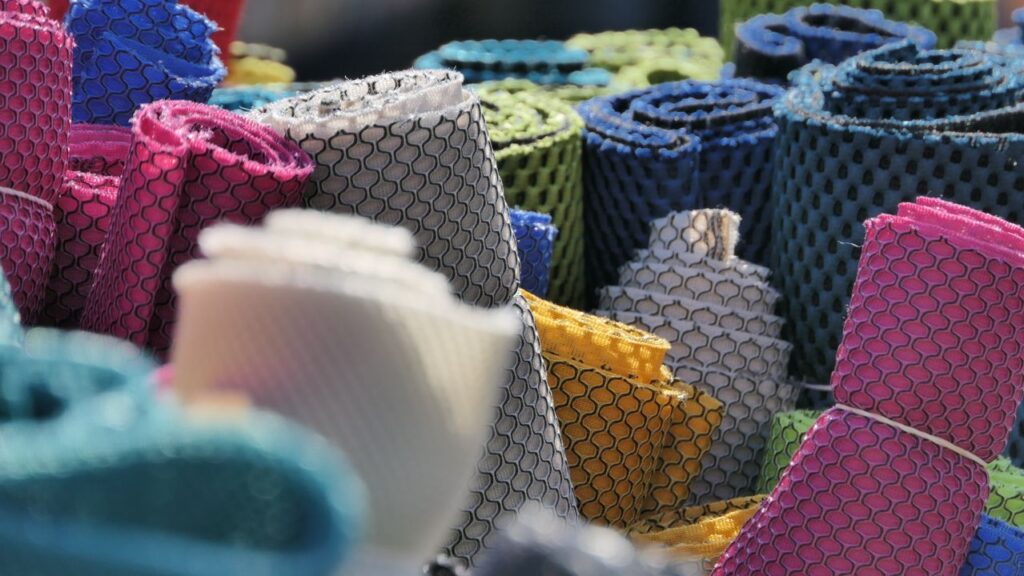
When strength, flexibility, and dependable performance are important, mesh-based products can provide practical solutions for a wide range of applications. Sling the Mesh represents a concept centred around durable mesh sling products and solutions designed to support different lifting, handling, securing, and everyday requirements.
Mesh products are valued for their combination of flexibility and strength. Depending on their construction and intended use, they can be designed to handle demanding environments while remaining relatively lightweight and easy to manage.
For businesses and individuals researching sling the mesh, understanding the characteristics of mesh products is an important first step. The right product depends on factors such as the application, load requirements, material, dimensions, environmental conditions, and relevant safety considerations.
A suitable mesh sling can help make handling tasks more organised and efficient. However, choosing the correct product and using it according to the manufacturer’s instructions are essential for safe and reliable performance.
What Makes Mesh Sling Products Useful?
Mesh sling products can offer several practical characteristics that make them useful in different settings. Their flexible construction allows them to adapt to various shapes and applications, while their strength can make them suitable for specific handling requirements.
One of the main attractions of sling the mesh solutions is versatility. Mesh materials can be manufactured in different configurations, allowing products to be developed for particular applications.
Depending on the design, mesh products may provide useful airflow, flexibility, visibility, or drainage characteristics. These features can be beneficial in environments where solid materials are less suitable.
Durability is another important consideration. Products intended for demanding applications need to withstand appropriate levels of wear and environmental exposure. The construction, material quality, stitching, connections, and overall design can all influence product performance.
Before selecting a mesh sling, users should understand the manufacturer’s specifications and ensure that the product is appropriate for its intended application.
Understanding Different Mesh Materials
The material used to manufacture a mesh sling can have a significant effect on its characteristics. Different materials may offer different levels of strength, flexibility, resistance, and durability.
When exploring sling the mesh, it is therefore important to consider the environment in which the product will be used.
Some mesh products may be manufactured using synthetic materials, while others may use metal or other specialised materials. Each option can have advantages depending on the application.
Synthetic mesh can provide flexibility and relatively easy handling, while metal mesh may be selected for applications requiring particular levels of durability or resistance.
Environmental conditions should also be considered. Exposure to moisture, chemicals, heat, sunlight, abrasion, or other factors can affect different materials in different ways.
Users should always consult product specifications and manufacturer recommendations before selecting a mesh sling for a specific environment.
Choosing the Right Mesh Sling
Selecting the right product requires more than simply choosing a mesh sling that looks strong. The product should be appropriate for the intended task and meet all relevant specifications.
For anyone researching sling the mesh, several factors should be considered before making a selection.
First, determine the nature of the application. A product used for general handling may have different requirements from one intended for demanding industrial operations.
Next, consider dimensions and capacity. The sling needs to be suitable for the intended load and configuration. Users should never exceed the manufacturer’s stated working limits.
The attachment points and connection method are also important. A sling must be compatible with the equipment and lifting or handling arrangement being used.
Finally, consider environmental conditions. Temperature, moisture, chemicals, abrasion, and other factors may influence which material and construction are appropriate.
Taking time to assess these factors can help users select a product that is better suited to their specific needs.
Durability and Long-Term Performance
Durability is one of the most important considerations when selecting mesh products. A durable sling can provide reliable service when it is properly selected, used, inspected, and maintained.
The performance of sling the mesh products can depend on several factors, including material quality, construction methods, stitching or connections, handling practices, and exposure to environmental conditions.
Regular inspection is particularly important for products used in demanding applications. Users should look for visible signs of damage, excessive wear, deformation, broken components, or other conditions that could affect safe performance.
Products should also be stored appropriately when they are not being used. Protecting mesh slings from unnecessary exposure to damaging conditions can help preserve their condition.
It is important to remember that no sling is indestructible. Even a high-quality product can become unsuitable if it is overloaded, incorrectly used, exposed to incompatible conditions, or inadequately maintained.
Following manufacturer guidance is therefore an essential part of achieving reliable long-term performance.
Mesh Sling Applications
Mesh products can be used across a variety of industries and applications, depending on their design and specifications. Their flexibility and strength can make them useful for certain handling and securing tasks.
Businesses researching sling the mesh may be interested in applications involving material handling, industrial operations, equipment support, storage, transportation, or specialised lifting requirements.
The exact application should always determine the type of product selected. A mesh sling intended for one purpose should not automatically be assumed to be suitable for another.
In industrial environments, product specifications are especially important. Users may need to consider working loads, dimensions, attachment methods, environmental conditions, inspection requirements, and applicable standards.
For specialised applications, consulting a qualified professional or the manufacturer can help ensure that the chosen product is appropriate.
The versatility of mesh products means they can be useful in many situations, but their suitability must always be assessed based on actual operating conditions.
Safety Considerations for Mesh Slings
Safety should always be the priority when using any lifting, handling, or load-support product. A mesh sling should only be used for applications for which it has been designed and rated.
Anyone searching for sling the mesh should pay close attention to product documentation and manufacturer instructions.
Before use, inspect the sling for visible damage or abnormal wear. If a product shows signs of deterioration that could affect its performance, it should not be used until it has been properly assessed.
Correct attachment is equally important. A sling that is incorrectly positioned or connected may not perform as intended.
Users should also understand the working load limits and never exceed them. Load distribution, angles, connection methods, and the overall lifting arrangement can influence how forces are applied.
Appropriate training is essential for people involved in lifting and handling operations. When the application is complex or involves significant risk, competent personnel should be responsible for planning and carrying out the operation.
Maintenance and Inspection
Regular maintenance can help identify potential problems before they become more serious. Inspection requirements will depend on the type of product, frequency of use, working environment, and manufacturer’s recommendations.
For sling the mesh products used regularly, users should establish appropriate inspection routines based on applicable guidance and workplace requirements.
Visual checks can identify problems such as cuts, tears, broken stitching, corrosion, deformation, excessive abrasion, or damaged connection points. However, not all damage is necessarily obvious, so more detailed inspections may sometimes be required.
Cleaning can also be important. Dirt, chemicals, or other contaminants may affect certain materials. Cleaning should always follow the manufacturer’s recommendations because inappropriate cleaning methods can damage some mesh products.
When a sling has reached the end of its useful service life, it should be removed from service rather than continuing to use it simply because the damage appears minor.
Proper maintenance helps support safe operation and can contribute to the product’s useful lifespan.
Benefits of Choosing Quality Mesh Products
Quality is an important consideration when selecting any product designed for demanding applications. A well-designed mesh sling can offer useful characteristics such as strength, flexibility, durability, and ease of handling.
For businesses considering sling the mesh, investing in suitable products can contribute to more consistent operations and better handling practices.
Quality should not be judged solely by appearance or price. Product specifications, manufacturing quality, testing, certifications where applicable, manufacturer reputation, and suitability for the intended task are all important considerations.
A cheaper product may not necessarily provide better value if it is unsuitable for the application or requires frequent replacement.
Instead, buyers should focus on finding a product that meets the requirements of the specific task. Understanding working limits, material properties, dimensions, and environmental compatibility can help support a more informed purchasing decision.
For professional applications, documentation and traceability may also be important factors.
Finding the Right Sling the Mesh Solution
Choosing a mesh sling is ultimately about matching the product to the task. There is no single solution that is appropriate for every application.
People searching for sling the mesh should begin by clearly identifying what they need the product to accomplish. Consider the load, dimensions, environment, frequency of use, connection method, and relevant safety requirements.
Once these requirements are understood, users can compare suitable products based on their specifications and intended applications.
It can also be valuable to seek advice from manufacturers or qualified suppliers when requirements are unclear. Professionals can often provide information about product capabilities, compatibility, inspection requirements, and appropriate use.
A careful selection process can help prevent costly mistakes and ensure that the chosen product is suitable for the conditions in which it will be used.
Ultimately, the best mesh sling is not necessarily the largest or strongest available. It is the product correctly designed and rated for the specific application.
Conclusion
Sling the Mesh highlights the versatility and practical value of durable mesh sling products and solutions. Mesh products can offer useful combinations of flexibility, strength, durability, and adaptability, making them suitable for a range of applications when correctly selected.
For anyone researching sling the mesh, the most important consideration is choosing a product based on the actual requirements of the task. Material, dimensions, working capacity, environmental conditions, attachment methods, and product specifications should all be carefully considered.
Safety must remain a priority throughout the product’s service life. Correct use, regular inspection, appropriate maintenance, and compliance with manufacturer instructions can help support reliable performance.
Whether a mesh sling is required for industrial handling, securing, transportation, or another specialised application, selecting the correct product is essential. Quality, suitability, and proper use are more important than simply choosing a product based on price or appearance.
By understanding the characteristics of mesh sling products and carefully assessing individual requirements, businesses and users can make more informed decisions and find solutions that provide dependable performance for their intended applications.
FAQs
1. What is a mesh sling?
A mesh sling is a flexible product made from mesh material and designed for specific handling, lifting, securing, or support applications. Its suitability depends on its construction, material, capacity, and intended use.
2. What should I consider when choosing a mesh sling?
Consider the intended application, load requirements, dimensions, material, attachment method, environmental conditions, and manufacturer’s specifications. Always ensure the selected product is appropriately rated for the task.
3. How can I maintain a mesh sling?
Regular inspection, correct storage, appropriate cleaning, and following manufacturer instructions can help maintain a mesh sling. Any product showing potentially unsafe damage should be removed from service and assessed appropriately.
4. Are all mesh slings suitable for lifting?
No. Mesh products are designed for different purposes and may have different capacities and specifications. A product should only be used for lifting if it is specifically designed and rated for that application.
5. Why is product quality important for mesh slings?
Quality can influence durability, reliability, and safe performance. Buyers should consider specifications, construction, material, applicable standards, and suitability for the intended application rather than choosing solely on price.
Also read: LucieWinters_UK: Style, Inspiration & Everything You Need to Know