
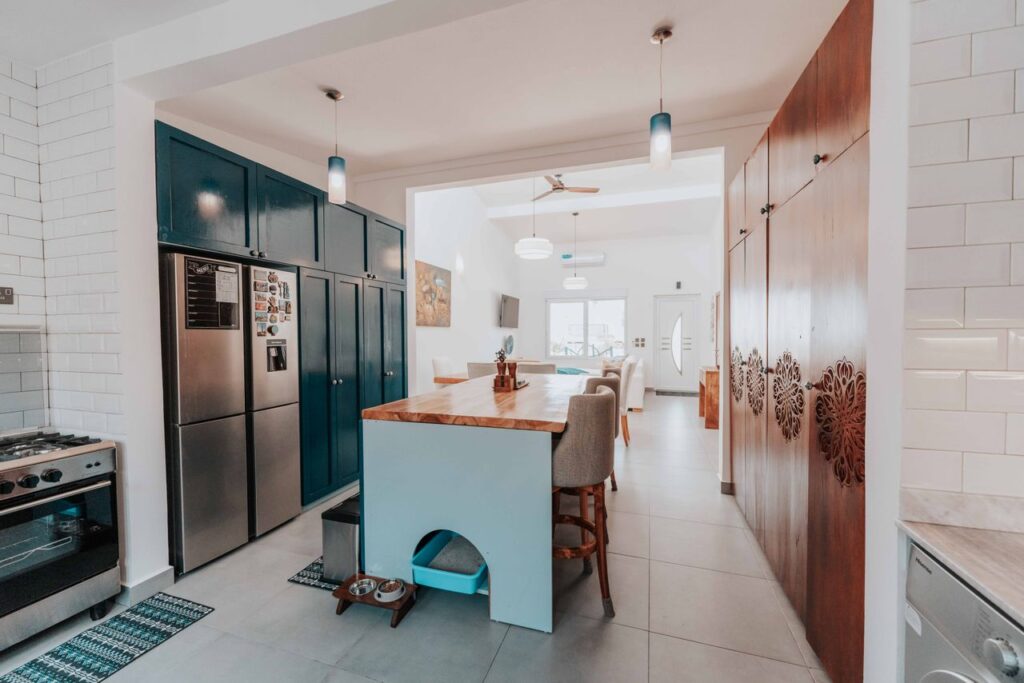
Giving your kitchen a new look does not always mean replacing the entire kitchen. One of the most effective ways to transform a tired or dated space is to paint the existing cupboards. If you have been searching for kitchen cupboards painted before after, you will know just how dramatic the difference can be.
Painting kitchen cupboards can change the colour, atmosphere and overall appearance of a kitchen without the expense and disruption of a complete renovation. Whether you have traditional wooden doors, MDF cupboards or a previously painted kitchen, the right preparation and paint can create an impressive transformation.
For homeowners across the UK, painted kitchen cupboards can also be a practical way to update a kitchen while working with a limited budget. From classic white and soft grey to sage green, navy and warm neutral shades, there are countless possibilities.
Here are ten ideas and tips to help you plan your own painted kitchen cupboard makeover.
Why Paint Your Kitchen Cupboards?
Replacing kitchen cupboards can be expensive, particularly when the existing units are still structurally sound.
Painting offers an alternative. Instead of removing everything and starting again, you can refresh the visible surfaces and create an entirely different look.
This is why before-and-after photographs are so popular. They demonstrate how much visual impact a relatively simple change can have.
A dark, dated kitchen can appear brighter with lighter cupboard colours, while plain white units can gain character with deeper shades. Even changing the colour of the doors while keeping the worktops and flooring can make the room feel completely different.
Painting can also allow you to personalise a kitchen that previously felt generic.
Look at the Before and After Difference
When looking at kitchen cupboards painted before after examples, pay attention to more than just the colour.
Consider how the painted cupboards change the entire room.
Look at the walls, worktops, splashback, flooring, handles and lighting. A successful makeover usually works because all these elements complement one another.
For example, painting traditional cupboards in a soft sage green can create a relaxed country-inspired appearance. Changing dark cupboards to warm white can make a smaller kitchen feel lighter and more open.
You should also look closely at the finish. Smooth, evenly painted doors can make older cupboards appear considerably more modern.
Before-and-after photographs are useful because they help you visualise what might be possible in your own kitchen.
Choose the Right Paint Colour
Colour is one of the biggest decisions in a kitchen cupboard makeover.
For a timeless UK kitchen, shades such as white, cream, light grey and warm beige can work particularly well. These colours are versatile and can complement different worktops, flooring and wall finishes.
If you want something more distinctive, consider colours such as sage green, olive, navy blue or muted teal.
Dark colours can create a dramatic effect, particularly in larger kitchens with plenty of natural light. However, they can make a smaller room feel more enclosed if used without enough contrast.
When choosing a colour, consider the existing features of your kitchen.
You do not necessarily need to change everything. If you already have a wooden worktop, for example, a soft green or neutral cupboard colour can complement the natural warmth of the timber.
Always test your chosen paint colour on a small area before committing to all the cupboards.
Prepare the Cupboards Properly
Good preparation is one of the most important parts of painting kitchen cupboards.
Kitchen doors can accumulate grease, cooking residue and dirt over time. Simply painting over these surfaces may result in poor adhesion and an uneven finish.
Start by removing the cupboard doors and, where practical, taking off the handles and other hardware.
Clean the surfaces thoroughly using a suitable degreasing cleaner. Allow everything to dry properly before continuing.
Depending on the existing surface, light sanding may be necessary to create a suitable surface for primer and paint.
Repair any noticeable chips, dents or cracks before painting.
Preparation can take longer than the actual painting, but it can make a major difference to the final result.
Use a Suitable Primer
Primer can be particularly useful when painting kitchen cupboards.
It helps create a suitable surface for the topcoat and can improve adhesion, particularly when you are painting over a smooth, glossy or previously finished surface.
The appropriate primer depends on the material and existing finish of your cupboards.
Wood, MDF and laminate surfaces may require different preparation, so check the instructions for the specific primer and paint you choose.
Apply the primer evenly and allow it to dry fully according to the manufacturer’s instructions.
Do not rush this stage.
A properly prepared and primed surface can help prevent problems such as peeling, uneven coverage and visible imperfections.
Select a Durable Kitchen Paint
Kitchen cupboards experience plenty of daily use. Doors are opened and closed repeatedly, while surfaces can be exposed to moisture, heat, grease and general household activity.
For this reason, choose a paint specifically suitable for cupboards, cabinetry or high-use interior surfaces.
The finish is also important.
A satin or eggshell-style finish can provide a balance between durability and appearance. Very glossy finishes can highlight imperfections, while extremely flat finishes may be less practical for surfaces that need regular cleaning.
Follow the manufacturer’s instructions regarding application, drying time and cleaning.
If you are unsure which product is suitable for your particular cupboard material, ask a paint supplier for advice.
Consider Popular UK Kitchen Colours
UK homeowners have a wide range of kitchen colour trends to choose from.
Soft greens have become popular for creating a calm, natural atmosphere. Sage green can work especially well with timber, brass or natural-looking accessories.
Navy is another option for homeowners who want a stronger statement. It can look particularly effective when combined with light walls and contrasting worktops.
Neutral colours remain a safe choice. Warm whites, creams and light greys can create a timeless appearance without making the kitchen feel overly trendy.
For a more contemporary look, muted blue, charcoal or sophisticated neutral shades can provide a modern finish.
The best colour is ultimately one that works with your home rather than simply following a temporary trend.
Update the Handles for a Bigger Transformation
Painting the cupboards can make a significant difference, but changing the handles can take the makeover even further.
Old handles can make freshly painted cupboards look dated, while new hardware can reinforce the style you are trying to achieve.
Brass or antique-style handles can complement traditional or country-inspired kitchens. Black handles can create a stronger contemporary contrast, while simple chrome or brushed metal can suit modern designs.
Before buying new handles, check the existing hole spacing carefully.
If the new handles require different holes, you may need to fill the existing holes and carefully drill new ones.
This is a relatively small change, but it can make freshly painted cupboards look much more finished.
Decide Between DIY and Professional Painting
Painting kitchen cupboards yourself can save money, but it requires patience and attention to detail.
A DIY project may be suitable if you have enough time, space and confidence to prepare and paint the doors properly.
One advantage of doing the work yourself is that you can control the colour, finish and pace of the project.
However, professional kitchen painters can offer specialist equipment, preparation techniques and experience with different cupboard materials.
If you have a large kitchen, expensive cabinetry or a complicated finish, professional help may be worth considering.
Before choosing a contractor, ask to see examples of previous projects and clarify exactly what preparation and painting process they will use.
Make the Rest of the Kitchen Match
Once your cupboards have been painted, consider how the rest of the kitchen works with the new colour.
You may not need to replace anything else.
Small changes can be enough to complete the makeover. New lighting, curtains, rugs, artwork, storage accessories or decorative items can complement the freshly painted cupboards.
You can also introduce plants, wooden accessories or ceramics to add warmth.
If your cupboard colour is bold, keeping other elements relatively simple can prevent the room from becoming visually overwhelming.
The objective is to create a cohesive kitchen rather than simply repainting one part of the room.
Conclusion
Looking at kitchen cupboards painted before after transformations can provide plenty of inspiration for a UK kitchen makeover.
Painting existing cupboards can be a practical alternative to replacing an entire kitchen, particularly when the existing units are still in good condition. With careful preparation, the right primer, a durable paint and a suitable colour, dated cupboards can take on a completely new appearance.
Whether you choose classic white, soft grey, sage green, navy or a warm neutral, think about how the colour will work with your existing worktops, flooring, walls and accessories.
Preparation is just as important as colour choice. Cleaning, sanding where necessary, priming and allowing sufficient drying time can all contribute to a better final finish.
You can also make a surprisingly large difference by replacing cupboard handles and adding a few carefully chosen accessories.
Most importantly, take your time. A successful kitchen cupboard makeover does not necessarily require a huge budget. Sometimes, a fresh coat of paint and a little creativity are enough to make an old kitchen feel new again.
FAQs
1. Can I paint my existing kitchen cupboards?
Yes, many kitchen cupboards can be painted, provided the surfaces are properly prepared. The correct preparation and primer will depend on whether the cupboards are made from wood, MDF, laminate or another material.
2. What colour is best for painted kitchen cupboards?
There is no single best colour. White, cream and light grey are versatile choices, while sage green, navy and muted blue can create a stronger statement. Choose a shade that works with your kitchen’s existing features and natural light.
3. Do I need to sand kitchen cupboards before painting?
Sanding can be useful for creating a suitable surface for primer and paint, especially when cupboards have a smooth or glossy existing finish. Avoid excessive sanding and follow the preparation guidance for your chosen paint system.
4. How can I make painted kitchen cupboards look professional?
Thorough preparation is key. Clean and degrease the surfaces, repair imperfections, use a suitable primer, apply thin and even coats, and allow adequate drying time between coats. Removing the doors and hardware can also make painting easier.
5. Is painting kitchen cupboards cheaper than replacing them?
Painting can be significantly less expensive than replacing an entire kitchen, particularly when the existing cupboards are in good structural condition. However, the final cost depends on the size of the kitchen, materials, paint, tools and whether you do the work yourself or hire a professional.
Also read: How to Get Rid of Acne Scars: A Complete, Science-Backed Guide for Smoother, Clearer Skin