
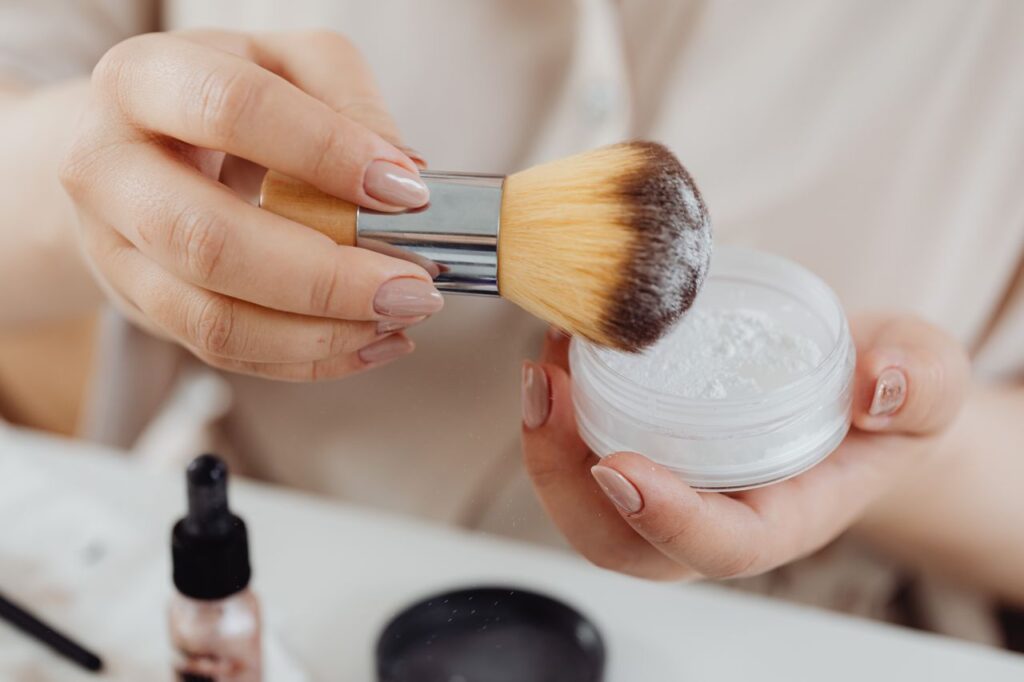
Finding the right makeup routine can be challenging when you have sensitive skin. Products that work perfectly for other people may cause redness, itching, dryness, burning, or breakouts on your skin. Even everyday beauty products, such as foundation, concealer, primer, and setting powder, can sometimes contain ingredients that do not suit your skin type.
However, having sensitive skin does not mean you need to avoid makeup completely. With the right products, careful preparation, and gentle application techniques, you can achieve a beautiful makeup look without unnecessarily irritating your skin.
The secret to successful makeup for sensitive skin is choosing suitable formulas, avoiding ingredients that have previously caused reactions, and maintaining a healthy skincare routine. It is also important to remember that products labeled natural, organic, or hypoallergenic are not automatically suitable for everyone.
In this guide, you will learn how to prepare sensitive skin, choose gentle makeup products, apply makeup correctly, and remove it safely at the end of the day.
Understand Your Sensitive Skin
Before choosing makeup, it is important to understand how your skin reacts to different products and environmental factors.
Sensitive skin may become red, itchy, dry, tight, or uncomfortable after using certain cosmetics. Some people experience reactions immediately, while others notice irritation after repeated use.
Common factors that may contribute to sensitivity include:
- Fragrance in skincare and cosmetic products.
- Certain preservatives or cosmetic ingredients.
- Harsh exfoliating products.
- Alcohol-containing formulas that cause dryness.
- Excessive washing or scrubbing.
- Environmental factors such as heat, cold, and pollution.
Sensitive skin is not the same as an allergy. Irritation and allergic contact dermatitis can have different causes, and persistent reactions may require professional assessment.
Pay attention to how your skin responds to different products. If a particular foundation or moisturizer repeatedly causes discomfort, stop using it and consider discussing the reaction with a dermatologist.
Understanding your skin is the first step toward building a comfortable makeup routine.
Always Start With a Gentle Skincare Routine
Healthy skin preparation is essential before applying makeup. When your skin is sensitive, using too many skincare products can increase the possibility of irritation.
Start with a gentle cleanser that removes dirt, excess oil, and impurities without leaving your skin feeling tight or dry.
After cleansing, apply a moisturizer suitable for your skin type. A fragrance-free moisturizer can be a useful option if fragrance has previously irritated your skin. Ingredients such as glycerin and ceramides are commonly used in moisturizers to help support skin hydration and the skin barrier.
During the daytime, apply a broad-spectrum sunscreen with SPF 30 or higher. Choose a formula that your skin tolerates and follow its application instructions.
Keep your pre-makeup skincare routine simple. Avoid experimenting with several new products immediately before an important event.
A gentle routine helps create a smoother base for makeup and reduces the need for excessive foundation or concealer.
Choose Makeup Products Designed for Sensitive Skin
Selecting suitable products is one of the most important parts of a sensitive-skin makeup routine.
Look for makeup labeled fragrance-free if fragrance is a known trigger for you. Products labeled for sensitive skin may also be worth considering, but always review the ingredient list.
Here are some useful tips when shopping for makeup:
- Choose products with clear ingredient information.
- Avoid ingredients that have previously caused a reaction.
- Consider simple formulas rather than products with many unnecessary additives.
- Look for products that are easy to remove without harsh rubbing.
- Avoid assuming that expensive makeup is automatically gentler.
- Check the product’s expiry date and follow its storage instructions.
You may prefer lightweight foundations, gentle concealers, and simple powder products. However, no single formula is suitable for everyone with sensitive skin.
Always consider your personal skin history rather than relying only on marketing labels.
Patch-Test New Makeup Before Using It
One of the best ways to reduce the risk of an unexpected reaction is to test new products before applying them to your entire face.
A patch test helps you observe how your skin responds to a product. Follow the product manufacturer’s testing instructions when available. For a repeated-use home test, dermatology guidance commonly recommends applying a small amount to a discreet area, such as the inner arm or elbow, and observing the area over several days.
Do not test multiple new products at the same time. If irritation develops, stop using the product.
Remember that a home patch test cannot guarantee that a product will never cause a facial reaction. Facial skin may respond differently from the skin on your arm.
If you have a history of serious cosmetic allergies or recurring reactions, consult a dermatologist about appropriate testing.
Taking a little extra time before introducing a new foundation, primer, or concealer can help you avoid uncomfortable surprises.
Apply a Lightweight and Gentle Primer
Primer can help create a smoother surface for foundation and improve how makeup sits on your skin. However, it is not an essential step for everyone.
If you have sensitive skin, choose a primer that feels comfortable and does not contain ingredients you know you react to.
A lightweight, fragrance-free primer may be a good starting point. Avoid applying too much product, as multiple layers of cosmetics can feel uncomfortable or contribute to clogged pores in some people.
To apply primer:
- Begin with clean, moisturized skin.
- Allow your moisturizer and sunscreen to settle.
- Apply a small amount of primer where needed.
- Spread it gently using clean fingertips or a clean makeup sponge.
- Give it a moment to settle before applying foundation.
If your skin feels tight, itchy, or irritated after using primer, remove it gently and discontinue use.
You can also skip primer entirely if your moisturizer provides a comfortable base for makeup.
Select the Right Foundation for Sensitive Skin
Foundation is often the most noticeable part of a makeup look, so choosing a comfortable formula is important.
For everyday makeup, lightweight liquid foundations, skin tints, or mineral-based products may be worth exploring. The best choice depends on your skin type, coverage preference, and individual ingredient sensitivities.
If your skin is dry or easily irritated, a foundation that feels moisturizing may be more comfortable than a very matte, drying formula. If your skin is oily, look for a lightweight formula that controls shine without making your skin feel tight.
When selecting foundation, consider the following:
- Choose a shade that matches your natural skin tone.
- Check the ingredient list for known triggers.
- Avoid products that cause stinging or burning.
- Consider starting with light or medium coverage.
- Test the product before wearing it for a full day.
You do not need to apply foundation all over your face if you only want to even out a few areas. Applying a thin layer can help create a natural appearance without unnecessary product buildup.
The goal is to make your skin look even while keeping it comfortable.
Use Concealer Only Where You Need It
Concealer helps cover dark circles, redness, blemishes, and uneven areas. However, applying too much product can create a heavy appearance and may require more rubbing during removal.
For sensitive skin, choose a concealer that feels comfortable and does not contain ingredients that have caused reactions in the past.
Apply a small amount under your eyes or over areas where additional coverage is needed. Blend gently using a clean fingertip, soft brush, or clean makeup sponge.
Avoid repeatedly rubbing the delicate skin around your eyes. If your eyes or eyelids become itchy, swollen, or irritated after applying concealer, discontinue use.
For a natural makeup look, use concealer only where necessary instead of applying several layers of foundation and concealer across your entire face.
A little product can provide enough coverage while keeping your makeup routine simple.
Choose Gentle Blush, Bronzer, and Highlighter
Blush, bronzer, and highlighter add warmth, dimension, and brightness to your makeup look.
People with sensitive skin should pay attention to how these products feel and respond on their skin. Powder, cream, and liquid formulas can all be suitable depending on your individual preferences and sensitivities.
When choosing cheek products, consider fragrance-free options and avoid known triggers.
For a soft everyday look, apply a small amount of blush to the cheeks and blend gently. If you use bronzer, apply it lightly around the areas where you want subtle warmth.
Highlighter can be applied sparingly to the cheekbones and other areas you want to emphasize.
Always use clean brushes or sponges to avoid transferring dirt, oil, and product buildup onto your face.
If a product causes redness, itching, or discomfort, stop using it rather than trying to cover the reaction with additional makeup.
Be Careful When Applying Eye Makeup
The skin around your eyes is delicate and can be particularly sensitive to certain cosmetic products.
Eye makeup products such as mascara, eyeliner, eyeshadow, and eye primer should be selected carefully.
Look for products that are appropriate for use around the eyes and check their ingredient information. Avoid using products that have previously caused itching, redness, watering, or swelling.
Follow these tips for safer eye makeup application:
- Use clean eye makeup brushes.
- Avoid sharing mascara and eyeliner.
- Do not apply products inside the eye unless specifically designed for that use.
- Replace eye makeup according to the manufacturer’s guidance.
- Avoid using expired or contaminated products.
- Remove eye makeup gently without pulling the skin.
If you wear contact lenses, check whether a product is suitable for contact lens wearers.
If your eyes become painful, swollen, or unusually irritated, stop using the product. Seek medical advice if symptoms are severe or persistent.
Keep Your Makeup Brushes and Sponges Clean
Clean makeup tools are essential for maintaining good makeup hygiene.
Brushes and sponges collect makeup residue, oil, dead skin cells, and other impurities. Using dirty tools may contribute to skin problems and can introduce unwanted bacteria to your face.
Makeup tools should be cleaned regularly, especially those used with liquid and cream products.
Follow these simple hygiene practices:
- Wash makeup brushes regularly using a suitable brush cleanser.
- Clean reusable makeup sponges after use and allow them to dry completely.
- Replace damaged or heavily stained sponges.
- Never share personal makeup brushes or sponges.
- Store makeup tools in a clean, dry place.
- Avoid applying makeup with dirty fingers.
When cleaning your tools, rinse them thoroughly and make sure they are completely dry before storing them.
If your skin is easily irritated, choose soft brushes that do not scratch or pull at your skin.
Clean tools help make your makeup routine more hygienic and comfortable.
Avoid Common Makeup Ingredients That Trigger Your Skin
There is no universal list of ingredients that everyone with sensitive skin must avoid. Different people react to different substances.
However, fragrance, certain preservatives, and some cosmetic ingredients can trigger irritation or allergic reactions in susceptible individuals.
Instead of avoiding every ingredient with a complicated name, learn which ingredients your own skin does not tolerate.
Read product labels carefully and look for ingredients you have previously reacted to. Remember that fragrance-free and hypoallergenic labels do not guarantee that a product will be reaction-free.
It can also help to avoid introducing several new makeup products at once. When you change one product at a time, it becomes easier to identify a possible trigger.
If you repeatedly experience irritation from cosmetics, a dermatologist may recommend formal patch testing to identify potential contact allergens.
Choosing makeup based on your personal sensitivities is more useful than following every beauty trend.
Set Your Makeup Without Making Your Skin Uncomfortable
Setting products can help makeup last longer, but they should be used carefully if your skin is sensitive.
Setting powder can reduce shine and help prevent makeup from moving. However, excessive powder may make dry or dehydrated skin look patchy.
Choose a powder that feels comfortable and does not contain known triggers. Apply a small amount with a soft, clean brush, focusing on areas that become oily.
Setting sprays are another option, but they may contain fragrance or other ingredients that do not suit every skin type. Check the ingredient list and patch-test new products before regular use.
For a simple everyday look, you may not need setting powder or spray at all.
Avoid layering several setting products just to make your makeup last longer. A comfortable, lightweight finish is often preferable to a heavy makeup look.
Remove Your Makeup Gently Before Sleeping
Removing makeup properly is just as important as applying it.
Leaving makeup on overnight can contribute to clogged pores and may increase discomfort, especially if your skin is already sensitive.
Choose a gentle makeup remover or cleanser that suits your skin type. If you wear waterproof makeup, use a remover designed for waterproof products rather than rubbing your skin repeatedly.
Follow these steps:
- Wash your hands before touching your face.
- Apply a gentle makeup remover according to its instructions.
- Allow the product to loosen makeup before wiping.
- Use gentle movements instead of scrubbing.
- Cleanse your face with a suitable gentle cleanser if needed.
- Apply a comfortable moisturizer afterward.
Pay special attention to the eyes and lips, where makeup can sometimes be more difficult to remove.
Avoid harsh exfoliation or aggressive cleansing to remove stubborn makeup. If your skin feels irritated, simplify your routine and give it time to recover.
If you regularly experience burning, swelling, or persistent redness after removing makeup, seek advice from a dermatologist.
Conclusion
Applying makeup to sensitive skin does not have to be difficult. The key is choosing products carefully, understanding your personal triggers, and using gentle application techniques.
Start with a simple skincare routine, moisturize properly, and choose makeup products that suit your skin. Patch-test new products, keep your brushes clean, avoid excessive layers, and remove makeup gently before sleeping.
Remember that no product is guaranteed to work for everyone. Even makeup labeled natural, organic, fragrance-free, or hypoallergenic can cause a reaction in some individuals.
The best makeup for sensitive skin is makeup that makes you feel confident without causing discomfort. By paying attention to your skin’s needs and keeping your routine simple, you can enjoy a beautiful, natural-looking finish while taking better care of your skin.
FAQs
1. What is the best makeup for sensitive skin?
The best makeup for sensitive skin is a product that does not contain your known triggers and feels comfortable when applied. Fragrance-free foundations, gentle concealers, and lightweight formulas may be worth considering. Always check the ingredients and test new products before regular use.
2. Should people with sensitive skin use foundation every day?
People with sensitive skin can use foundation if they tolerate the formula. However, daily foundation is not necessary. A lightweight skin tint or concealer may provide enough coverage for everyday use. Make sure to remove makeup gently at the end of the day.
3. Is mineral makeup better for sensitive skin?
Mineral makeup may suit some people with sensitive skin because certain formulas contain relatively simple ingredient lists. However, mineral makeup is not automatically irritation-free. Check the ingredients carefully and test the product before applying it regularly.
4. How can I stop my face from becoming red after applying makeup?
First, stop using any product that appears to trigger redness. Keep your skincare routine simple, avoid known irritants, and introduce new makeup products one at a time. If redness continues, becomes painful, or is accompanied by swelling or itching, consult a dermatologist.
5. How should I remove makeup from sensitive skin?
Use a gentle makeup remover or cleanser suitable for your skin type. Avoid harsh scrubbing, rough towels, and aggressive exfoliation. Remove eye makeup carefully and apply a suitable moisturizer afterward. If a remover causes burning or irritation, stop using it.
Also read: Sensitive Skin: Causes, Symptoms, and the Best Skincare Tips for Healthy Skin