
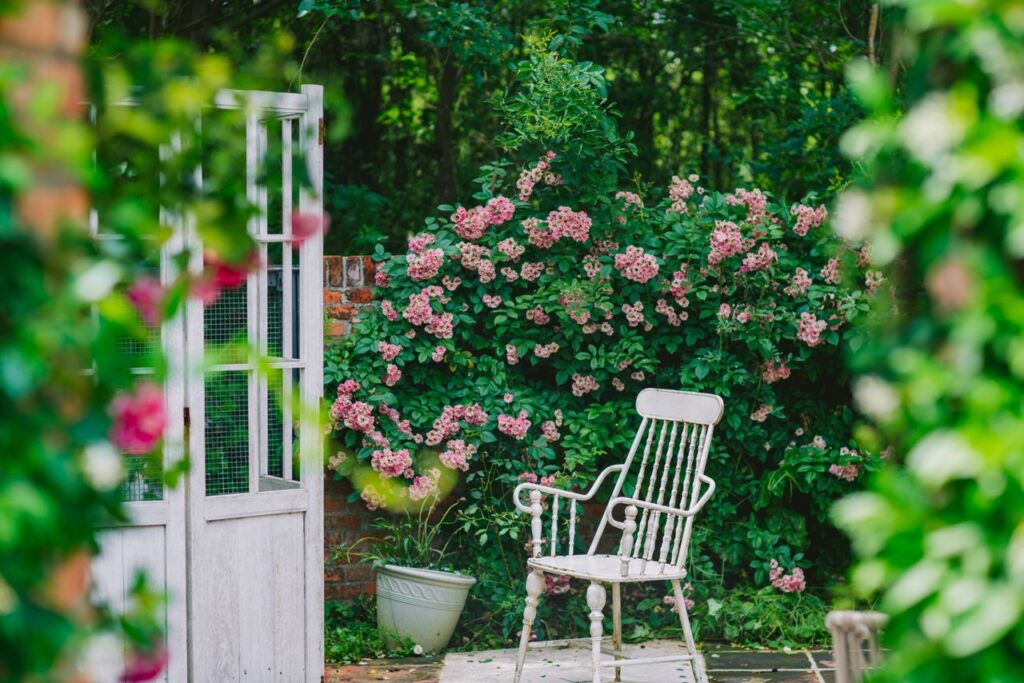
A well-planned garden can be much more than a collection of plants. It can become a productive source of fresh food, a relaxing outdoor retreat and an attractive feature that brings character to your property. Farmstead gardens are especially appealing because they combine beauty with practicality, creating spaces designed to provide useful harvests while maintaining a welcoming rural atmosphere.
Whether you have a large country property, a small backyard or a modest piece of land, you can borrow ideas from traditional farmstead gardening. The key is to make thoughtful use of available space while choosing plants and features that suit your climate, soil and lifestyle.
From productive vegetable beds to fruit trees, herb gardens and pollinator-friendly flowers, there are countless ways to create a garden that looks beautiful and produces something useful. Here are 10 inspiring ideas to help you design a productive and attractive outdoor space.
Create Dedicated Vegetable Beds
One of the most practical features of farmstead gardens is a dedicated vegetable-growing area. Separating vegetables into organised beds makes it easier to plan crops, prepare soil, water plants and harvest produce.
Raised beds are particularly useful because they can improve drainage and allow you to control the quality of the growing medium. They also make garden maintenance easier and can create a neat, structured appearance.
Consider growing vegetables that your household regularly uses. Tomatoes, lettuce, carrots, beans, onions, courgettes, peppers and leafy greens can all contribute to a productive garden.
Avoid planting everything at once. Staggering sowing dates can help provide a continuous harvest throughout the growing season.
When arranging your beds, place taller crops where they will not unnecessarily shade smaller plants. Leave sufficient walking space between beds so you can comfortably weed, water and harvest.
A productive vegetable garden does not need to look purely functional. Wooden edging, attractive pathways and carefully arranged plants can turn the vegetable area into one of the most attractive parts of the property.
Add Fruit Trees for Long-Term Harvests
Fruit trees can give farmstead gardens structure, shade and seasonal interest while providing fresh produce year after year.
Depending on your climate and available space, consider planting apples, pears, plums, cherries or other fruit varieties suited to your region. Before choosing a tree, check its mature size and growing requirements.
Fruit trees need appropriate sunlight, adequate drainage and enough space for their roots and branches. Planting several trees too close together can create problems as they mature.
You can also use dwarf or compact varieties if your garden is relatively small.
One of the advantages of fruit trees is their seasonal transformation. Blossoms can provide beautiful spring colour, foliage creates summer greenery and ripe fruit adds interest later in the year.
Fruit trees can therefore serve both decorative and practical purposes.
Remember that some varieties require pollination from another compatible tree. Research the requirements of your chosen varieties before planting to improve the likelihood of a successful harvest.
Design a Dedicated Herb Garden
A herb garden is an excellent addition to farmstead gardens because herbs require relatively little space while offering significant practical value.
Create a dedicated bed close to the kitchen or another convenient location. This makes it easier to collect fresh herbs while cooking.
Popular choices include rosemary, thyme, parsley, sage, mint, chives and oregano. However, growing requirements vary, so group plants with similar watering and sunlight needs together.
Mint can spread aggressively, so growing it in a container can help keep it under control.
Herbs can also contribute to the visual appeal of your garden. Different foliage textures and shades of green create variety, while flowering herbs can attract bees and other beneficial insects.
A small herb garden can even be incorporated into a larger vegetable plot, allowing useful plants to share space with vegetables and flowers.
For an especially attractive design, use natural stone, timber edging or simple pathways to define the herb area.
Include Pollinator-Friendly Flowers
Productivity and beauty do not have to compete in farmstead gardens. Flowers can make a garden more colourful while also providing valuable resources for pollinators.
Consider adding flowers that attract bees, butterflies and other beneficial insects. Lavender, sunflowers, marigolds, cosmos and many native flowering plants can provide food and habitat.
Flowers can be planted around vegetable beds, along pathways or in dedicated borders.
Some flowering plants can also contribute directly to your garden’s productivity. Pollinators play an important role in the reproduction of many fruit and vegetable crops.
When selecting flowers, consider choosing a mixture that blooms at different times. This can provide a more consistent source of nectar throughout the growing season.
Avoid relying exclusively on a single type of flower. A diverse planting scheme can create a more interesting landscape while supporting a wider variety of insects.
The result is a garden that feels alive, colourful and connected to its surrounding environment.
Build Attractive Garden Pathways
Pathways are an often-overlooked feature of farmstead gardens, but they can dramatically improve both appearance and practicality.
A good pathway allows you to move between planting areas without stepping on soil or damaging crops. It can also make harvesting and maintenance much easier.
Natural materials such as gravel, stone, brick or wood can complement a rural garden aesthetic.
The best pathway material depends on your budget, climate and maintenance preferences. Gravel is relatively flexible and can create a relaxed country appearance, while stone can provide a more permanent and structured look.
Think carefully about pathway width. Main routes should be wide enough to walk comfortably, while smaller paths between beds can be narrower.
Curved paths can create a more informal landscape, whereas straight paths tend to produce a more organised appearance.
You can also use pathways to divide your garden into distinct zones, such as vegetables, herbs, flowers and fruit trees.
Make Composting Part of the Garden
Healthy soil is fundamental to productive farmstead gardens, and composting can be an excellent way to recycle suitable organic material into a valuable soil amendment.
A compost area can process materials such as plant trimmings, leaves and certain kitchen scraps. Over time, properly managed compost breaks down into organic matter that can be incorporated into garden soil.
Choose a location that is convenient but does not dominate the main garden view. A simple compost bin or designated composting area can be surrounded with plants or screening if you want to keep it discreet.
Good compost management requires a balance of suitable materials, moisture and airflow. Avoid adding materials that could attract pests or create unpleasant odours.
Using homemade compost can reduce reliance on purchased soil amendments while giving garden waste a useful second purpose.
It also supports the broader principle behind farmstead gardens: making productive use of available resources.
Grow Seasonal Crops for Continuous Production
Successful farmstead gardens should not be thought of as productive for only one short period. With thoughtful planning, you can grow different crops throughout the year.
Start by identifying the growing seasons in your local climate. Some crops perform best in cool conditions, while others need warmer temperatures.
Leafy greens and certain root vegetables may be suitable for cooler periods, while tomatoes, peppers and other warm-season crops can take advantage of summer conditions.
Succession planting is another useful strategy. Instead of planting an entire crop at once, sow smaller quantities at intervals. This can help prevent a situation where everything becomes ready to harvest simultaneously.
Crop rotation can also help with long-term garden management. Moving plant families between different beds can reduce the risk of certain soil-related problems and help maintain productive growing areas.
Keeping a simple planting calendar can make this process much easier.
Combine Edible Plants With Ornamental Design
A productive garden does not have to resemble a commercial farm. One of the most appealing approaches to farmstead gardens is blending edible and ornamental plants.
For example, colourful flowers can be planted beside vegetables, while attractive shrubs can frame productive areas. Fruit trees can become focal points, and herbs can be incorporated into decorative borders.
This approach creates a garden that looks intentional rather than purely functional.
You can also choose vegetables based partly on appearance. Purple cabbages, colourful chard, ornamental peppers and flowering herbs can introduce strong visual interest.
Use repetition to create cohesion. Repeating certain plants, materials or colours throughout the garden can make separate areas feel connected.
The goal is to create a landscape where you can enjoy sitting, walking and relaxing while still harvesting useful food.
Create a Relaxing Seating Area
Every garden should have somewhere to enjoy the results of your work. Adding a seating area can make farmstead gardens more inviting and encourage you to spend more time outdoors.
A simple bench beneath a tree, a small patio near flower beds or a table beside the vegetable garden can become a natural gathering point.
Position seating where you can enjoy attractive views of the garden. You might face a flower border, fruit trees or a productive vegetable plot.
Natural materials often complement the farmstead aesthetic. Wood, stone and other understated materials can blend naturally with plants and surrounding structures.
Consider shade and wind when choosing the location. A comfortable seating area is more likely to be used if it provides some protection from harsh weather.
The space does not need to be elaborate. Even a small bench can transform an otherwise unused corner into a favourite garden destination.
Use Sustainable Garden Practices
Sustainability is an important consideration when planning modern farmstead gardens. A productive garden can be designed to use resources responsibly while supporting local wildlife.
Water conservation is one area worth considering. Collecting rainwater, watering plants efficiently and selecting varieties suited to local conditions can reduce unnecessary water use.
Mulching can help retain soil moisture and suppress weeds. Organic mulch can also contribute nutrients as it breaks down.
Avoid excessive chemical treatments where practical and encourage beneficial insects through diverse planting. Healthy soil, composting and crop rotation can also contribute to a resilient growing system.
Native plants can provide additional benefits because they are often better adapted to local conditions and can support local wildlife.
Sustainable gardening does not require perfection. Small improvements can make a meaningful difference over time.
Planning Your Farmstead Garden Successfully
Before creating your garden, spend time observing the property. Identify areas that receive full sunlight, partial shade and limited light. Pay attention to drainage and determine where water naturally collects after rainfall.
Start with a manageable number of projects rather than attempting to build everything at once.
You might begin with a few vegetable beds and herbs, then add fruit trees, flowers, pathways and seating as your experience grows.
Think about how much time you realistically have for maintenance. A garden that requires more work than you can provide may quickly become overwhelming.
Choose plants based on both your ambitions and your available time. Productive gardening should be enjoyable rather than a constant source of chores.
Conclusion
Farmstead gardens offer a wonderful way to combine productivity, beauty and outdoor living. By carefully planning vegetable beds, fruit trees, herbs, flowers and pathways, you can create a garden that provides fresh produce while adding character to your property.
The best garden is not necessarily the largest or most elaborate. It is the one that suits your space, climate, lifestyle and gardening goals.
Start with a few practical improvements and expand gradually. Add composting, pollinator-friendly plants and sustainable practices as your garden develops. Create a comfortable seating area so you can enjoy the results.
With thoughtful design and consistent care, your farmstead gardens can become productive spaces that provide food, beauty and enjoyment throughout the seasons.
FAQs
1. What are farmstead gardens?
Farmstead gardens are gardens inspired by traditional rural properties, often combining edible plants, fruit trees, herbs, flowers and practical features. They typically aim to balance food production with attractive landscape design.
2. What should I grow in a farmstead garden?
Good choices depend on your climate and soil, but common options include seasonal vegetables, fruit trees, culinary herbs and pollinator-friendly flowers. Start with plants you regularly use and gradually expand your selection.
3. How can I make a farmstead garden look attractive?
Combine productive plants with ornamental flowers, attractive pathways, natural materials and well-defined planting areas. Fruit trees, herbs and colourful vegetables can also provide visual interest while remaining useful.
4. Do farmstead gardens require a lot of maintenance?
Maintenance depends on the garden’s size and plant selection. Starting with a manageable area, using mulch, planning crops carefully and choosing plants suited to your local conditions can make maintenance easier.
5. How can I make farmstead gardens more sustainable?
Consider composting, collecting rainwater where appropriate, using mulch, encouraging pollinators, rotating crops and selecting plants suited to your local environment. These practices can improve garden resilience while making better use of available resources.
Also read: Painting Kitchen Units Before and After – Stunning Kitchen Transformations