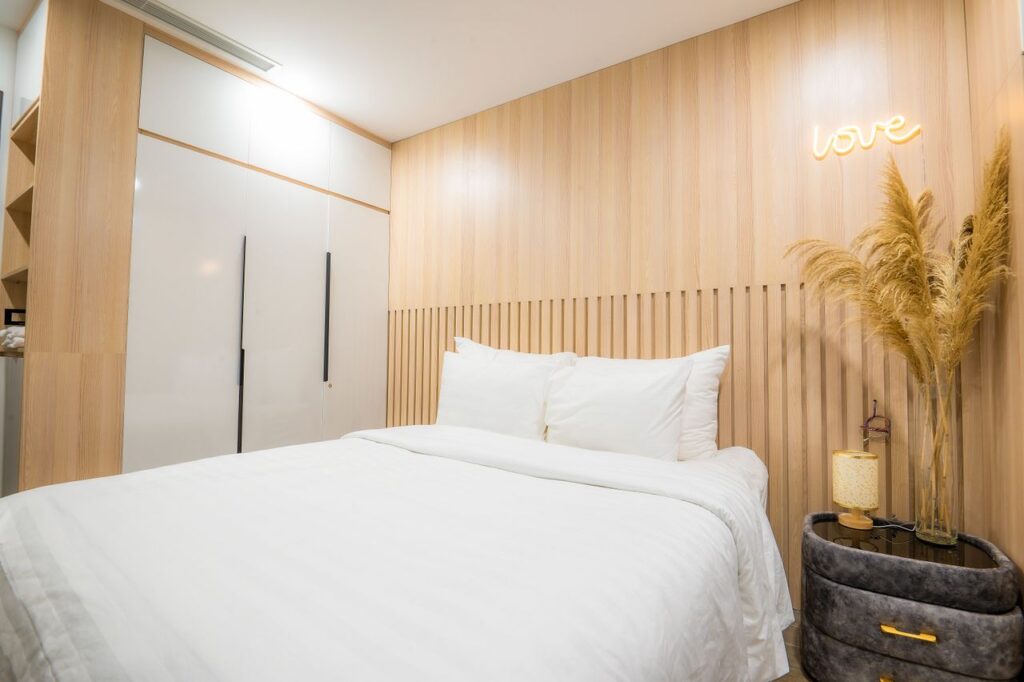
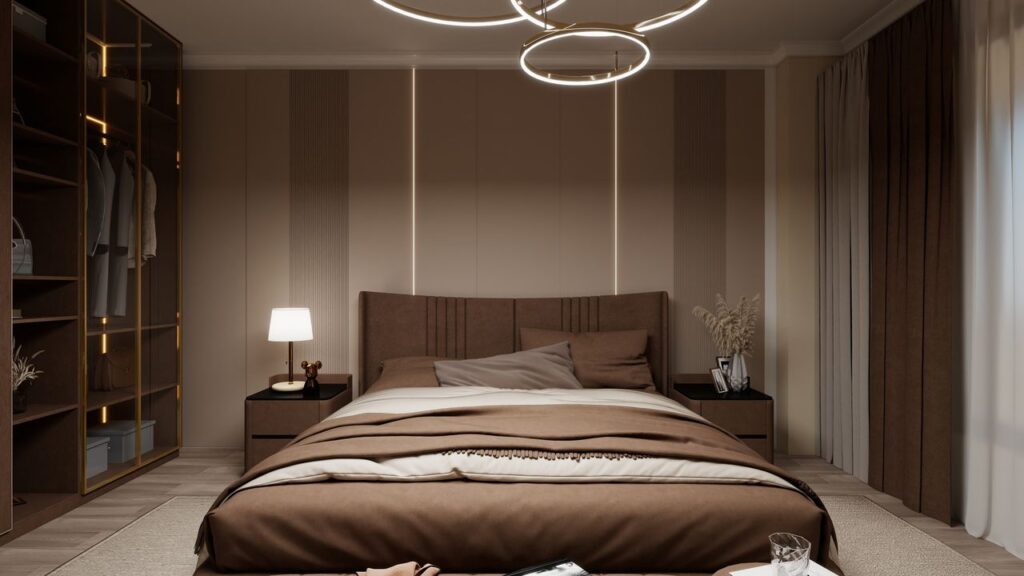
Your bedroom should be more than just a place to sleep. It should be a peaceful retreat where you can relax, recharge, and escape the stress of everyday life. Whether you have a spacious master bedroom or a small room with limited space, the right decorating choices can make it feel warm, comfortable, and inviting. With a few thoughtful updates, you can transform an ordinary bedroom into a beautiful sanctuary that reflects your personal style.
The best cozy bedroom ideas combine comfort, practical design, soothing colors, soft textures, and personal details. You do not need an expensive renovation or a completely new furniture collection to create a relaxing atmosphere. Small changes, such as adding layered bedding, warm lighting, plush rugs, and natural materials, can make a noticeable difference.
If you are ready to refresh your bedroom, these ideas will help you create a space that feels stylish, welcoming, and comfortable throughout the year.
Choose a Warm and Calming Color Palette
Color has a powerful influence on how a bedroom looks and feels. If you want to create a cozy atmosphere, begin with a soothing color palette that makes the room feel peaceful and welcoming.
Warm neutrals are excellent choices for comfortable bedroom designs. Shades such as cream, beige, ivory, taupe, warm gray, and soft brown create a relaxed background that works with many decorating styles. These colors also make it easier to introduce different textures and decorative accents without making the room look overwhelming.
If you prefer a little more color, consider muted shades of sage green, dusty rose, terracotta, soft blue, or warm olive. These tones add personality while maintaining a calm atmosphere.
You can introduce your chosen colors through wall paint, bedding, curtains, cushions, rugs, and artwork. Try to use two or three main colors and repeat them throughout the room for a coordinated appearance.
A warm color palette is particularly effective when combined with natural wood furniture and soft lighting. Together, these elements create a comfortable environment that encourages relaxation.
Layer Your Bedding for Extra Comfort
Comfortable bedding is one of the easiest ways to make a bedroom feel cozy. A beautifully layered bed can also become the main feature of your room.
Start with soft, breathable sheets that feel pleasant against your skin. Cotton, linen, and other comfortable fabrics are popular choices because they offer different textures and levels of warmth. Choose bedding that suits your climate and personal sleeping preferences.
Next, add a comfortable duvet or quilt. A lightweight blanket can provide an additional layer, while a textured throw at the foot of the bed adds a decorative finishing touch.
Pillows also make a difference. Combine sleeping pillows with a few decorative cushions in different sizes and textures. Avoid adding so many pillows that making the bed becomes inconvenient.
For a stylish appearance, coordinate your bedding with the bedroom’s color scheme. Neutral bedding creates a timeless look, while subtle patterns or muted colors can add visual interest.
The goal is to make your bed look inviting without sacrificing everyday comfort. A well-layered bed can instantly make the entire bedroom feel warmer and more luxurious.
Add Soft and Warm Lighting
Lighting can completely change the mood of a bedroom. Bright overhead lighting is useful when getting dressed or cleaning, but it may not create the relaxing atmosphere you want in the evening.
Instead of relying on a single ceiling light, introduce several smaller sources of illumination. Bedside lamps, wall sconces, floor lamps, and warm-toned bulbs can create a softer and more comfortable environment.
Choose bulbs with a warm color temperature for evening use. Their gentle glow can make neutral colors and natural materials feel more inviting.
A bedside lamp is particularly useful because it provides convenient lighting for reading without illuminating the entire room. If you have limited nightstand space, consider wall-mounted lamps or compact lighting fixtures.
You can also use dimmable lights to adjust the brightness according to your needs. Keep brighter lighting available for practical activities and use softer lighting when you want to unwind.
Thoughtful lighting makes your bedroom feel more intimate and helps create a peaceful atmosphere at the end of a busy day.
Introduce Natural Textures and Materials
Natural textures add warmth, depth, and character to bedroom interiors. Even a simple room can feel more interesting when you combine different materials.
Wood is one of the most effective ways to introduce natural warmth. Wooden nightstands, bed frames, shelves, and decorative accessories can make a bedroom feel grounded and welcoming.
Other natural materials include linen, cotton, wool, jute, rattan, bamboo, and wicker. You can incorporate these textures through bedding, baskets, rugs, lampshades, and furniture.
For example, pair a wooden bed frame with soft cotton bedding, a woven rug, and linen curtains. The combination creates a balanced appearance without relying on bold colors or excessive decoration.
You do not need to use every material in one room. Choose a few that complement each other and repeat them in different areas.
Natural textures are especially useful in minimalist bedrooms because they add visual interest without creating clutter. They also help a room feel more relaxed and connected to nature.
Create a Comfortable Reading Corner
A cozy bedroom can include more than a bed and wardrobe. If you have enough space, a small reading corner can turn an unused area into a comfortable personal retreat.
Start with a comfortable chair that supports your back. An upholstered armchair, compact accent chair, or cushioned window seat can work well depending on the available space.
Add a soft throw blanket and a small cushion to make the seating area more inviting. A floor lamp or reading lamp provides focused lighting, while a small side table gives you a convenient place for books, a cup of tea, or other essentials.
If your bedroom is small, choose furniture with a compact design. A chair with slim legs or a built-in window seat can provide comfort without making the room feel crowded.
You can also place a small bookshelf nearby to keep your favorite books organized and accessible.
A reading corner creates a peaceful spot for quiet activities and makes your bedroom feel more personal. It is an especially lovely addition if you enjoy spending time reading before bedtime.
Use Rugs to Make the Room Feel Softer
A rug can make a bedroom feel warmer, more comfortable, and visually complete. It also helps define different areas and introduces another layer of texture.
For a cozy appearance, consider a plush rug, wool rug, cotton rug, or soft woven design. Choose a material that feels comfortable underfoot, particularly if you enjoy walking around barefoot in the morning.
The size and placement of the rug matter. A larger rug placed underneath the bed can extend beyond the sides and foot of the frame, creating a balanced appearance. If your room is smaller, two smaller rugs on either side of the bed may be a practical alternative.
Color is another important consideration. Cream, beige, gray, and muted earthy shades work well in many bedroom styles. If your bedding and walls are neutral, a patterned rug can add personality without overwhelming the space.
A rug also helps soften the appearance of hard flooring. This simple addition can make your bedroom feel more comfortable and welcoming.
Decorate Your Walls with Personal Artwork
Blank walls can make a bedroom feel unfinished. Adding artwork, photographs, or decorative wall pieces can give the space personality and create a more inviting atmosphere.
Choose artwork that makes you feel calm and happy. Nature photography, abstract prints, botanical illustrations, landscapes, and minimalist artwork are all suitable options.
A large framed print above the bed can create a beautiful focal point. Alternatively, you can arrange a small collection of pictures to make a gallery wall.
When selecting frames, consider the other materials in the room. Wooden frames add natural warmth, while simple black or white frames create a clean and modern appearance.
You can also display meaningful photographs, travel memories, or personal artwork. These details make the bedroom feel unique rather than like a generic decorating display.
Avoid covering every available wall with decorations. Leaving some empty space helps the room feel balanced and prevents the design from becoming visually overwhelming.
The best wall decorations are those that complement the overall color scheme while reflecting your personal taste.
Bring Nature Indoors with Bedroom Plants
Plants are a simple way to add freshness, color, and natural beauty to a bedroom. Their green leaves can create a pleasant contrast against neutral walls and soft furnishings.
Choose plants according to the amount of natural light available. Some plants prefer bright indirect light, while others can tolerate lower-light conditions. Always check the care requirements before bringing a plant into your room.
You can place a small plant on a nightstand, dresser, or windowsill. Larger plants can fill an empty corner and create a natural decorative feature.
If you do not have enough space for floor plants, consider small tabletop varieties or hanging planters where suitable.
Remember that plants require regular care. Avoid overwatering, provide appropriate light, and remove damaged leaves when necessary. If you have pets, check whether a plant is safe for them before placing it within reach.
If maintaining live plants is difficult, high-quality artificial greenery can provide a similar decorative effect without ongoing care.
A little greenery can make a bedroom feel more vibrant while supporting a calm, nature-inspired design.
Choose Curtains That Add Warmth and Privacy
Curtains are both decorative and practical. They help control natural light, provide privacy, and soften the appearance of bedroom windows.
For a cozy bedroom, consider curtains made from linen, cotton, velvet, or other fabrics that complement your decorating style. Lightweight curtains create an airy atmosphere, while heavier fabrics can provide more privacy and light control.
Neutral shades such as cream, beige, warm gray, and soft brown are versatile choices. If your bedroom has a simple color palette, curtains in a muted accent color can add subtle interest.
Consider the length and width carefully. Curtains that extend close to the floor often create a more polished appearance. Wider panels can also make windows feel larger and more balanced.
If you prefer a dark room for sleeping, blackout curtains or lined curtains can help reduce unwanted light. You can combine them with lightweight sheers to enjoy natural daylight while maintaining privacy.
Well-chosen curtains bring together the different elements of your bedroom and make the space feel more finished.
Make the Most of Small Bedroom Spaces
A small bedroom can still feel warm, stylish, and comfortable. The key is to choose furniture carefully and avoid filling every corner with unnecessary items.
Start by identifying the furniture you genuinely need. A comfortable bed, practical storage, and a small bedside surface may be enough for a compact room.
Look for multifunctional furniture that provides more than one benefit. Storage beds, bedside tables with drawers, ottomans with hidden compartments, and wall-mounted shelves can help reduce clutter.
Use vertical space when possible. Floating shelves and wall-mounted lights free up valuable floor and surface space while providing useful storage and decoration.
Light colors can help a small bedroom feel open, although you do not have to avoid darker shades completely. A deeper accent wall or darker bedding can create a cozy atmosphere when balanced with sufficient lighting.
Mirrors can also make a room feel brighter and more spacious by reflecting natural light. Position them thoughtfully so they complement the room rather than create visual clutter.
With careful planning, even a small bedroom can become a relaxing and functional retreat.
Keep Your Bedroom Organized and Clutter-Free
A peaceful bedroom is easier to enjoy when everything has a place. Too much clutter can make even a beautifully decorated room feel stressful and uncomfortable.
Begin by clearing unnecessary items from your nightstands, dresser, and floor. Keep everyday essentials within reach, but store items you rarely use in drawers, baskets, or cupboards.
Storage baskets are useful for organizing extra blankets, cushions, books, and accessories. Matching baskets can also add texture while keeping the room looking coordinated.
Make your bed each morning to create an immediate sense of order. You do not need to arrange every cushion perfectly, but a tidy bed can make the entire room look more inviting.
Try to avoid using your bedroom as a storage area for unrelated household items. If you work from home, keep work materials organized and separate from your sleeping area whenever possible.
A clutter-free environment makes it easier to relax and appreciate your bedroom’s design. It also allows decorative features, such as artwork, lighting, and textiles, to stand out.
Add Personal Touches That Reflect Your Style
The most inviting bedrooms are not simply beautiful; they also feel personal. Adding meaningful details helps transform a decorated room into a space that truly belongs to you.
Display a few favorite photographs, treasured books, travel souvenirs, or handmade accessories. These items can bring warmth and character to the room without requiring a large decorating budget.
Scent can also contribute to the atmosphere. If you enjoy fragrances, consider a subtle room spray or another suitable home fragrance product. Choose scents you find pleasant and avoid anything that irritates you.
You might also add a favorite blanket, a decorative tray, or a special lamp that reflects your personality.
Try to balance personal items with open space. Instead of displaying everything you own, select a few meaningful pieces and arrange them thoughtfully.
Your bedroom should reflect what makes you comfortable. Whether your style is modern, rustic, minimalist, traditional, or bohemian, personal details make the space feel authentic and welcoming.
Create a Relaxing Bedtime Atmosphere
A cozy bedroom should support relaxation, especially during the evening. Beyond decorating, think about how the room feels when you are preparing to sleep.
Start by reducing unnecessary noise and visual distractions. Keep your sleeping area comfortable, maintain a pleasant temperature, and use lighting that feels gentle rather than harsh.
Create a simple nighttime routine. You might spend a few minutes reading, preparing your clothes for the next day, or tidying your bedside area. These small habits can help make bedtime feel more peaceful.
Consider keeping electronic devices away from your bed when practical. Reducing screen use before bedtime may help you create a more restful evening routine.
Make sure your mattress and pillows suit your comfort needs. Decorative bedding is important, but your sleeping environment should prioritize practical comfort.
You can also keep a glass of water, a book, or other nighttime essentials on your bedside table. A clean and organized setup makes it easier to settle down without unnecessary distractions.
By combining thoughtful decorating with relaxing habits, you can make your bedroom a space that feels comfortable and restorative every day.
Conclusion
Creating a warm, relaxing, and stylish bedroom does not require a complete makeover or a large decorating budget. Small improvements can make a meaningful difference when they are chosen carefully and work together.
From selecting calming colors and layering comfortable bedding to adding warm lighting, natural textures, soft rugs, and personal artwork, there are many ways to make your bedroom feel more inviting. Practical choices such as organized storage, suitable curtains, and space-saving furniture can also improve everyday comfort.
The best cozy bedroom ideas are those that balance beauty with functionality. Focus on what makes you feel relaxed, choose details that reflect your personality, and create an environment that supports your daily routine.
Whether you are decorating a spacious bedroom or making the most of a small room, a few thoughtful changes can help you build a peaceful sanctuary where you can rest, recharge, and feel at home.
FAQs
1. How can I make my bedroom feel cozy on a budget?
You can make your bedroom feel cozy without spending much money. Start by rearranging existing furniture, adding soft blankets, using warm lighting, and organizing clutter. Affordable cushion covers, secondhand accessories, simple wall art, and a small rug can also refresh the space. Focus on comfort and thoughtful details rather than buying everything new.
2. What colors make a bedroom look warm and relaxing?
Warm neutrals such as cream, beige, ivory, taupe, and soft brown are excellent choices for a relaxing bedroom. Muted shades of sage green, dusty rose, terracotta, and warm gray can also create a peaceful atmosphere. Choose colors that complement each other and suit your personal style.
3. How can I make a small bedroom look cozy and stylish?
Use furniture that fits the available space, choose practical storage solutions, and avoid unnecessary clutter. Soft bedding, warm lighting, a suitable rug, and a few decorative accessories can make a small room feel inviting. Wall-mounted shelves and mirrors can also help maximize space and improve the room’s appearance.
4. What type of lighting is best for a cozy bedroom?
Warm-toned lighting is generally a good choice for creating a relaxing bedroom atmosphere. Bedside lamps, floor lamps, wall sconces, and dimmable fixtures provide softer illumination than relying only on bright overhead lights. Use brighter lighting when needed for practical tasks and softer lighting when winding down.
5. How do I make my bedroom feel more luxurious and comfortable?
Focus on quality bedding, layered textures, coordinated colors, and thoughtful lighting. Add comfortable pillows, a soft throw blanket, attractive curtains, and a well-sized rug. Keep the room organized and choose a few beautiful decorative pieces. A clean, balanced design often feels more luxurious than a room filled with unnecessary accessories.