
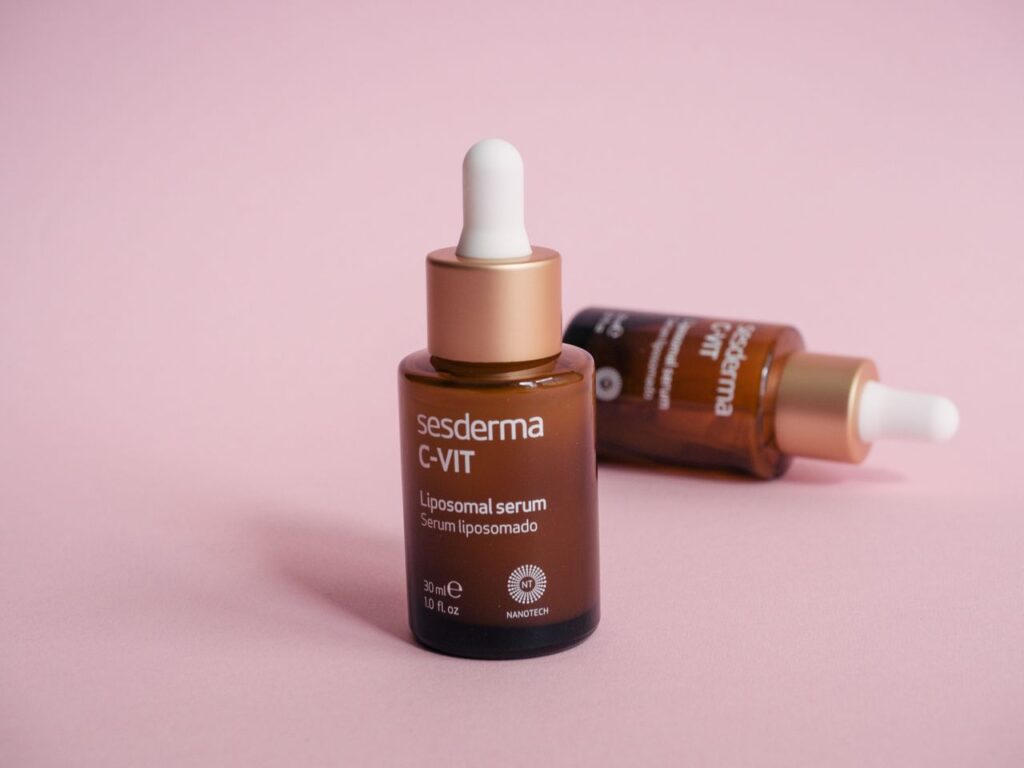
Finding the best vitamin C serum UK skincare enthusiasts can rely on starts with understanding your skin’s needs and choosing a formula with suitable ingredients. Vitamin C is a popular skincare ingredient known for its antioxidant properties and its ability to help improve the appearance of uneven skin tone, dullness, and visible signs of ageing. When incorporated into a consistent skincare routine, it can help your complexion look brighter, smoother, and more refreshed.
With so many vitamin C serums available in the UK, selecting the right product can feel overwhelming. Some formulas use pure vitamin C, also known as L-ascorbic acid, while others contain vitamin C derivatives designed for different formulation needs. Products also vary in concentration, texture, packaging, and price, making it important to look beyond marketing claims.
Whether you have dry, oily, combination, sensitive, or mature skin, choosing an appropriate serum can help you get more from your skincare routine. This guide explains the benefits of vitamin C, highlights popular products worth comparing, and provides practical advice on selecting, applying, and storing your serum. By understanding the ingredients and your skin’s requirements, you can make a more informed choice for a healthy-looking glow.
What Is Vitamin C Serum and How Does It Work?
Vitamin C serum is a skincare product formulated with vitamin C or a vitamin C derivative. It is usually applied after cleansing and before moisturiser to deliver antioxidant ingredients to the skin.
Vitamin C helps neutralise free radicals, unstable molecules that can contribute to oxidative stress. Exposure to ultraviolet radiation and environmental pollution can increase oxidative stress in the skin. Antioxidants can help support the skin’s defence against these environmental factors.
Vitamin C is also involved in collagen production, a process that helps maintain the skin’s structure. With regular use, certain well-formulated vitamin C products may help improve the appearance of fine lines, uneven pigmentation, and dullness.
However, results depend on the formula, concentration, stability, frequency of use, and individual skin characteristics. A serum cannot completely remove wrinkles, erase all dark spots, or replace sun protection.
When shopping in the UK, check the ingredient list, product instructions, packaging, and suitability for your skin type. A carefully selected formula used consistently is generally more useful than a product chosen simply because it has a high concentration.
The Main Benefits of Vitamin C Serum
Vitamin C serums are popular because they can support several aspects of a skincare routine. One of the most noticeable potential benefits is improved brightness. A suitable formula may help dull-looking skin appear fresher and more radiant with consistent application.
Another benefit is support for a more even-looking complexion. Vitamin C can help reduce the appearance of some forms of hyperpigmentation by influencing melanin production. This may be useful for people concerned about the appearance of sun spots or post-blemish marks, although improvement takes time and results vary.
Vitamin C also offers antioxidant support against environmental stressors. This makes it a useful addition to a daytime skincare routine, especially when paired with moisturiser and broad-spectrum sunscreen.
Some vitamin C formulations may also help improve the appearance of fine lines over time because vitamin C plays a role in collagen synthesis. Nevertheless, it should not be treated as a complete anti-ageing solution.
The best results usually come from a consistent routine that includes gentle cleansing, moisturising, and daily sun protection. Vitamin C can complement these essentials rather than replace them.
Best Vitamin C Serums Available in the UK
Several established skincare brands offer vitamin C products in the UK. The most suitable option depends on your budget, skin sensitivity, preferred texture, and the ingredients you want to use.
La Roche-Posay Pure Vitamin C10 Serum is worth comparing if you want a vitamin C product from a pharmacy skincare brand. Its formula is marketed around vitamin C and is designed for concerns such as dullness and visible signs of ageing. Check the current ingredient list and product guidance before buying.
The Ordinary Ascorbyl Glucoside Solution 12% is an option for people interested in a vitamin C derivative. Ascorbyl glucoside is different from pure L-ascorbic acid and has its own formulation characteristics. It may appeal to shoppers looking for an alternative to some highly acidic vitamin C serums.
Medik8 C-Tetra is another product range to consider if you prefer an established skincare brand with vitamin C-focused formulations. Check the specific version, ingredient list, and price, as product ranges and formulas can change.
The Inkey List 15% Vitamin C and EGF Serum may interest shoppers comparing vitamin C products with additional skincare ingredients. Review the current formulation and usage instructions to determine whether it suits your routine.
These products are examples to research rather than a universal ranking. Availability, prices, ingredients, and packaging can change. Compare current UK retailer listings, buy from reputable sellers, and choose based on your own skin needs rather than popularity alone.
How to Choose a Vitamin C Serum for Your Skin Type
Your skin type can help determine which vitamin C serum is most comfortable for everyday use. A product that suits someone with oily skin may feel too drying or irritating for someone with a sensitive complexion.
For oily skin, consider lightweight, fast-absorbing textures that layer comfortably under moisturiser and sunscreen. If you are prone to blemishes, look for a formula that fits into your existing routine without adding unnecessary fragrance or heavy ingredients.
For dry skin, a serum with a hydrating texture may be preferable. Ingredients such as glycerin and hyaluronic acid can help attract and retain moisture when used in an appropriate formulation. Follow the serum with a moisturiser to help reduce moisture loss.
Combination skin may benefit from a lightweight product that does not feel excessively rich in oilier areas or uncomfortable on dry patches.
Sensitive skin requires extra care. Lower-strength or gentler vitamin C derivatives may be worth considering, although no ingredient form is guaranteed to suit everyone. Introduce one new product at a time and patch-test according to the product instructions.
If you have eczema, rosacea, persistent irritation, or another skin condition, ask a qualified healthcare professional or dermatologist before adding an active product that may aggravate symptoms.
Understanding Vitamin C Concentrations
Vitamin C serums are available in different concentrations, and choosing the highest percentage is not always the best approach. Concentration is only one factor affecting how a product performs. The type of vitamin C, formula pH, supporting ingredients, and packaging can also influence stability and tolerability.
L-ascorbic acid is the best-known form of vitamin C used in skincare. It can be effective, but it is relatively unstable and often formulated at a low pH. Some people experience tingling, redness, or irritation, especially when using a stronger product or combining several active ingredients.
Vitamin C derivatives, such as ascorbyl glucoside and sodium ascorbyl phosphate, are used in different formulations. Their characteristics vary, and evidence for one form should not automatically be applied to every other form.
If you are new to vitamin C, consider starting with a product designed for regular use rather than immediately choosing a highly concentrated serum. Follow the label and monitor your skin’s response.
More is not necessarily better. Using a formula that your skin tolerates consistently is generally more practical than using a strong serum that forces you to stop because of irritation.
Vitamin C Serum for Brighter and More Even-Looking Skin
Uneven skin tone and dullness are common reasons people add vitamin C to their skincare routines. Vitamin C may help improve the appearance of some pigmentation concerns by influencing processes involved in melanin production.
People with post-inflammatory marks after blemishes may also explore vitamin C products as part of a broader routine. However, dark marks can have several causes, and the speed of improvement depends on their depth, cause, and the product being used.
Consistency is important. Changes in skin tone generally take weeks or longer rather than appearing overnight. Applying more serum will not necessarily speed up results and may increase irritation.
Sun protection is particularly important when addressing uneven pigmentation. Ultraviolet exposure can contribute to existing dark spots and create new ones. Use a broad-spectrum sunscreen with SPF 30 or higher each morning, following its instructions and reapplying as directed, especially after swimming, sweating, or prolonged outdoor exposure.
If a patch of pigmentation changes rapidly, bleeds, becomes painful, or looks unusual, seek medical advice instead of assuming it is ordinary pigmentation.
Vitamin C can be a useful part of a routine for a brighter-looking complexion, but realistic expectations and sun protection remain essential.
Best Vitamin C Serum for Sensitive Skin
Sensitive skin can react to strong active ingredients, fragrance, or changes in skincare routines. If your skin frequently feels tight, burns after applying products, or becomes red easily, selecting a vitamin C serum requires extra caution.
Look for a formula with clear ingredient information and straightforward usage instructions. Some people prefer vitamin C derivatives or lower-strength products because they may find them more comfortable than highly acidic L-ascorbic acid formulas. Individual reactions still vary, so gentler does not mean irritation-free.
Patch-test the product according to the manufacturer’s instructions before applying it across your face. Introduce it gradually and avoid starting several new active products at once. This makes it easier to identify the cause if irritation develops.
Be cautious about combining a new vitamin C serum with exfoliating acids, retinoids, or benzoyl peroxide immediately. These ingredients are not universally incompatible, but using multiple active products can increase irritation for some people.
If you experience persistent burning, swelling, a rash, or significant redness, stop using the product. Seek medical advice if symptoms are severe or do not improve.
The best vitamin C serum for sensitive skin is one that fits your needs without disrupting your skin’s comfort or natural barrier.
How to Use Vitamin C Serum Correctly
Using vitamin C serum correctly can help you incorporate it into your routine without unnecessary complexity. Begin with clean skin. Use a gentle cleanser and pat your face dry, unless the product instructions recommend a different approach.
Apply the amount specified on the packaging. Many serums require only a small amount to cover the face, but the correct quantity depends on the particular formula and applicator.
Allow the serum to settle before applying moisturiser. Finish your morning routine with broad-spectrum sunscreen of at least SPF 30. Sunscreen is especially important if your goal is to improve the appearance of uneven pigmentation or reduce the effects of ultraviolet exposure.
Some products can be used in the evening as well, but follow the label rather than assuming every vitamin C formula should be applied twice daily. Starting once a day or less frequently may be sensible if your skin is easily irritated and the instructions allow it.
Avoid applying the serum to broken or irritated skin unless a healthcare professional advises otherwise. Keep the product away from your eyes and follow any warnings provided by the manufacturer.
A simple routine used consistently is usually easier to maintain than one containing too many active ingredients.
Morning or Night: When Should You Apply Vitamin C Serum?
Vitamin C serum is commonly used in the morning because its antioxidant properties complement daytime sun protection. Applied before moisturiser and sunscreen, it can form part of a routine designed to support the skin against environmental stressors.
A typical morning routine includes cleansing, vitamin C serum, moisturiser, and broad-spectrum sunscreen. The order may vary if a product’s instructions specify otherwise, so always follow the label.
Vitamin C can also be used at night if the formulation allows it and it suits your skin. Some people prefer evening application because it fits more comfortably into their habits or allows them to separate vitamin C from other morning products.
There is no need to use a serum both morning and night unless the product guidance and your skin’s tolerance support that frequency. Applying it more often does not guarantee better results.
Consistency is more important than choosing a supposedly perfect time of day. Pick a schedule you can maintain, introduce the product carefully, and monitor how your skin responds over several weeks.
Remember that sunscreen remains essential during the day, regardless of when you use vitamin C.
Ingredients That Work Well With Vitamin C
Vitamin C can be combined with several skincare ingredients, depending on the formula and your skin’s tolerance. Hydrating ingredients such as glycerin and hyaluronic acid are commonly used to help attract water and support skin hydration.
Moisturisers containing ceramides can help support the skin barrier. Pairing a vitamin C serum with a suitable moisturiser may make your routine more comfortable, especially if your skin tends to feel dry.
Vitamin E is another antioxidant used in some vitamin C formulations. Certain combinations of antioxidants have been studied for their potential to support protection against environmental stress, although the performance of a finished product depends on its complete formulation.
Sunscreen is one of the most important partners for a vitamin C routine. Vitamin C does not replace sunscreen, and using both does not mean you can skip reapplication or other sensible sun-protection measures.
Be careful when introducing multiple active ingredients. Retinoids and exfoliating acids may fit into the same overall routine for some people, but combining them too quickly can increase irritation. You may prefer to use different products at different times or on alternate days.
If you are unsure how to combine active ingredients, keep your routine simple and consult a qualified skincare professional.
How to Store Vitamin C Serum and Keep It Fresh
Vitamin C can be sensitive to air, light, and heat, depending on the form and formulation. Correct storage helps maintain the product’s intended quality for as long as possible.
Keep the serum tightly closed when not in use and follow the storage instructions on its packaging. A cool, dry place away from direct sunlight is often appropriate, unless the manufacturer recommends something different.
Packaging can also matter. Opaque or air-restrictive containers may help limit exposure to conditions that can affect certain vitamin C formulas. A dropper bottle requires careful handling because the product may be exposed to air each time it is opened.
Pay attention to changes in colour, smell, texture, and performance. Some vitamin C products naturally have a slight colour, so colour alone does not always indicate a problem. However, a noticeable change from the product’s original appearance may suggest oxidation or deterioration.
Check the expiry date and the period-after-opening symbol, which often indicates how long a product should be used after opening. Do not continue using a serum if it is past its recommended period or has developed an unusual smell or texture.
Proper storage is a simple step that can help you get more consistent use from your skincare product.
Common Mistakes to Avoid When Using Vitamin C Serum
One common mistake is choosing a serum solely because it has a high concentration. A stronger formula may not be more suitable for your skin, particularly if you are new to active skincare ingredients.
Another mistake is expecting immediate results. Improvements in brightness and the appearance of uneven skin tone usually take time, and results vary. Give a suitable product a reasonable trial period while following its instructions.
Skipping sunscreen can also undermine your efforts to address pigmentation and visible signs of environmental damage. Vitamin C is not a substitute for sun protection.
Using too many active ingredients at once can make it difficult to identify what is causing irritation. Introduce new products one at a time and allow your skin to adjust before making further changes.
Poor storage is another avoidable problem. Leaving a serum open, exposed to strong sunlight, or in a hot environment may affect its stability. Follow the manufacturer’s storage guidance and check for changes in the product.
Finally, do not assume a product is right for you just because it is popular online. Reviews can offer useful information about texture and user experience, but they cannot guarantee the same results for every skin type.
Choose a product based on its ingredients, suitability, and your own experience.
How to Choose the Best Vitamin C Serum UK for Your Budget
The price of vitamin C serums in the UK ranges from affordable high-street options to premium skincare products. A higher price may reflect packaging, research, additional ingredients, or brand positioning, but it does not automatically mean better results for your skin.
Start by identifying your main concern. If you want a simple antioxidant product, a straightforward formula may be sufficient. If you are concerned about dryness, you may prefer a serum with additional hydrating ingredients. For sensitive skin, comfort and tolerability should take priority over concentration or prestige.
Compare the ingredient list, concentration where disclosed, packaging, product size, and usage instructions. Consider how much product you need per application and how long the bottle is likely to last when used as directed.
Buy from reputable UK retailers, pharmacies, or the brand’s official store. This can help reduce the risk of counterfeit or improperly stored products. Check the return policy, especially if you are trying a new brand or a product that may not suit your skin.
You do not need to purchase several vitamin C serums at once. Start with one suitable product, introduce it carefully, and assess your skin’s response before deciding whether to change anything.
The best-value option is the one you can use comfortably and consistently while meeting your skincare goals.
Conclusion
Finding the best vitamin C serum UK shoppers can choose depends on your skin type, preferred texture, budget, and main skincare concerns. Vitamin C is a popular antioxidant ingredient that may help improve the appearance of dullness, uneven pigmentation, and visible signs of ageing when used consistently in an appropriate formulation.
Products from brands such as La Roche-Posay, The Ordinary, Medik8, and The Inkey List offer different approaches to vitamin C skincare. Rather than choosing a product based only on its price or popularity, compare its ingredients, concentration, packaging, and suitability for your skin.
Introduce your chosen serum gradually, follow the manufacturer’s instructions, and use moisturiser and broad-spectrum sunscreen as part of your routine. Store the product correctly and avoid combining too many new active ingredients at once.
Most importantly, be patient and realistic. No serum can transform every skin concern overnight, and results vary from person to person. A suitable formula, consistent application, and sensible sun protection can help you build a routine focused on brighter, smoother, healthier-looking skin.
FAQs
1. Which is the best vitamin C serum in the UK?
The best option depends on your skin type, budget, and skincare goals. Products worth comparing include La Roche-Posay Pure Vitamin C10 Serum, The Ordinary Ascorbyl Glucoside Solution 12%, Medik8 C-Tetra, and The Inkey List 15% Vitamin C and EGF Serum. Check the current formulations and choose one that suits your skin.
2. Can I use vitamin C serum every day?
Many vitamin C serums are designed for regular daily use, but suitability depends on the formulation and your skin’s tolerance. Follow the manufacturer’s directions and introduce the product gradually if you are new to vitamin C. Reduce or stop use if significant irritation develops.
3. How long does vitamin C serum take to show results?
Some people notice a fresher-looking complexion after several weeks, while improvements in uneven pigmentation may take longer. Results vary depending on the formulation, consistency of use, skin characteristics, and sun exposure. Daily sunscreen can help support efforts to improve the appearance of pigmentation.
4. Is vitamin C serum suitable for sensitive skin?
Some people with sensitive skin can use vitamin C, but stronger or highly acidic formulas may cause irritation. Consider a product designed for gentler use, patch-test it according to the instructions, and introduce it gradually. Seek professional advice if you have a skin condition or experience persistent irritation.
5. Should I apply vitamin C serum before or after moisturiser?
Vitamin C serum is commonly applied after cleansing and before moisturiser, followed by sunscreen during the morning. However, product formulations and instructions differ, so follow the directions on your specific serum. Vitamin C does not replace daily sunscreen.
Also read: Korean Beauty: Best K-Beauty Skincare Trends, Products, and Tips for Glowing Skin