
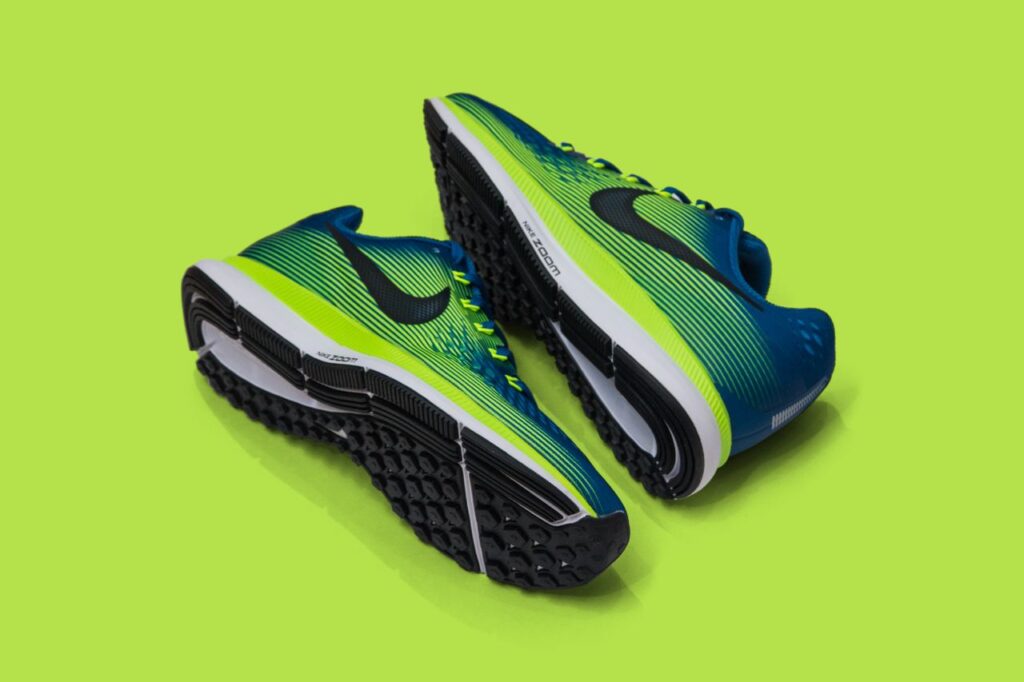
Finding the Best Running Shoes can make a significant difference in your running experience. Whether you are a beginner taking your first steps toward a healthier lifestyle or an experienced runner preparing for a marathon, the right pair of shoes can help you feel more comfortable, maintain a consistent pace, and enjoy every mile. Running shoes are designed to support different running styles, foot shapes, surfaces, and training goals, so choosing the right pair requires more than simply selecting an attractive design.
With so many options available, it can be difficult to determine which running shoes offer the best combination of comfort, durability, cushioning, and performance. Some models are designed for everyday training, while others focus on speed, long-distance running, trail adventures, or competitive racing. Understanding these differences helps you make a confident decision.
In this guide, we will explore the most important features of running shoes, explain the main types available, and share practical tips for finding a pair that suits your needs. By considering comfort, fit, materials, and intended use, you can choose running shoes that support your goals and make your training more enjoyable.
Why Choosing the Best Running Shoes Matters
Running places repeated stress on your feet and lower limbs. Every stride involves landing, supporting your body weight, and pushing forward into the next step. Well-designed running shoes provide cushioning, traction, and a comfortable fit to help you manage these repetitive movements.
The right shoes can also make running feel more enjoyable. When your footwear fits properly and feels comfortable, you may be less distracted by rubbing, pressure points, or unnecessary discomfort. This can help you focus on your pace, breathing, and training routine.
However, no shoe can guarantee injury prevention or automatically improve running performance. Your training schedule, running technique, recovery, strength, and overall health also matter. The best choice is a pair that suits your feet, feels comfortable during movement, and matches the type of running you regularly do.
Instead of choosing shoes only because they are popular, consider how you plan to use them. A comfortable daily trainer may be a better investment for regular exercise than an expensive racing shoe designed for occasional competitions.
Best Running Shoes for Everyday Training
Daily running shoes are designed for regular workouts, easy runs, and general fitness. They usually balance cushioning, stability, flexibility, and durability, making them a practical option for runners who want one dependable pair for several activities.
When shopping for everyday trainers, look for a comfortable midsole, a secure heel, and enough room around the toes. The shoe should feel supportive without squeezing your foot or creating pressure around the sides. A breathable upper can also help keep your feet more comfortable during longer sessions.
Popular daily-training models often include the Nike Pegasus series, Brooks Ghost series, ASICS Gel-Cumulus series, and Saucony Ride series. These product families are worth comparing because they are commonly associated with versatile road-running use. However, individual models change over time, and the best choice depends on the particular version, fit, and your preferences.
Daily trainers are especially useful for beginners because they can handle a variety of moderate workouts. More experienced runners may also use them for recovery runs and regular mileage while reserving specialized shoes for faster sessions or races.
Best Running Shoes for Comfort and Cushioning
Comfort should be one of your highest priorities when selecting running shoes. Cushioned shoes use midsole materials designed to soften the sensation of impact and provide a comfortable platform underfoot. The amount and character of cushioning vary significantly between models.
Some runners prefer a soft, plush feel that is particularly pleasant during easy runs and longer distances. Others prefer firmer cushioning that feels more responsive and provides a clearer sense of the ground beneath their feet. Neither style is automatically better for everyone.
Models such as the ASICS Gel-Nimbus series, Brooks Glycerin series, and HOKA Bondi series are examples of shoes commonly associated with substantial cushioning. When comparing them, pay attention to how the shoe feels while walking and jogging rather than relying only on product descriptions.
Remember that maximum cushioning does not necessarily mean maximum comfort. A very thick midsole may feel unstable to some runners, while a firmer shoe may feel more natural to others. Consider your preferred running pace, body comfort, and typical distance when making your decision.
Best Running Shoes for Speed and Performance
Speed-focused running shoes are designed for runners who want an efficient feel during tempo runs, intervals, and races. They often feature lighter construction, responsive midsoles, and designs intended to support quicker transitions from landing to push-off.
For structured speed training, lightweight trainers can provide a useful balance between responsiveness and everyday practicality. Racing shoes may use advanced foam materials and stiff plates to help improve running economy for some athletes, although their benefits depend on the runner, pace, distance, and individual response.
Examples worth exploring include the Nike Zoom Fly series, Saucony Endorphin Speed series, and Adidas Adizero Adios Pro series. These shoes serve different purposes, so compare the specific model rather than assuming every shoe in a performance-focused range offers the same experience.
Beginners do not need expensive racing shoes to become faster. Consistent training, gradual increases in workload, adequate recovery, and appropriate pacing are more important foundations. If you decide to purchase a speed-oriented shoe, make sure it feels secure and comfortable before using it in a demanding workout or competition.
Best Running Shoes for Long-Distance Running
Long-distance running places particular demands on footwear because comfort must be maintained over an extended period. A shoe that feels comfortable during a short jog may feel different after several miles, especially if your feet swell or your running form changes as fatigue develops.
For longer runs, look for cushioning that remains comfortable over time, a secure fit around the heel, and enough toe space to prevent your feet from feeling cramped. The outsole should provide dependable traction on the surfaces you use most frequently.
Many distance runners prefer versatile, cushioned trainers for long training sessions. Depending on individual fit and preference, shoes from the Brooks Glycerin, ASICS Gel-Nimbus, Saucony Triumph, and HOKA Clifton families may be worth trying.
Weight is another consideration. Some runners appreciate a lightweight shoe for maintaining a steady pace, while others prefer a more substantial platform. Neither option is universally best. Try to evaluate the complete running experience, including comfort, stability, and how your feet feel after a typical training session.
For marathon preparation, use your chosen shoes during training before race day. Avoid introducing unfamiliar footwear immediately before an important event.
Best Running Shoes for Beginners
Beginners generally benefit from shoes that are comfortable, versatile, and easy to use. You do not need to purchase a highly specialized model when starting a running routine. A reliable daily trainer can provide the basic features needed for walking, jogging, and gradually increasing your running distance.
Begin by considering where you will run, how often you plan to exercise, and whether you prefer a soft or firm ride. If possible, try several models from different brands. Walk around the store and jog briefly if permitted to see how each shoe feels in motion.
A beginner-friendly shoe should not create obvious pressure, slipping, or rubbing. Your toes should have room to spread naturally, while the heel should feel secure without being painfully tight.
It is also helpful to establish a realistic budget. Higher-priced shoes may offer specialized foam, lighter materials, or premium construction, but they are not automatically better for a new runner. A well-fitting shoe at a moderate price can be an excellent starting point.
Most importantly, build your running routine gradually. Comfortable footwear can support your training, but it cannot replace sensible progression, rest, and attention to persistent pain.
Best Running Shoes for Trail Running
Trail running shoes are designed for uneven outdoor terrain, including dirt paths, gravel, rocky trails, and muddy routes. Compared with many road-running shoes, they often have more pronounced outsole lugs to improve traction on loose or irregular surfaces.
The level of grip you need depends on your environment. Shallow lugs may work well on maintained paths and light trails, while deeper lugs can provide better purchase on soft or muddy ground. For rocky terrain, underfoot protection and a secure fit may be especially important.
Trail models may also include reinforced uppers and protective features intended to handle contact with stones, roots, and debris. Waterproof versions can be useful in certain conditions, although waterproof membranes may reduce breathability and can feel warmer in hot weather.
Popular trail-running ranges include the Salomon Speedcross series, HOKA Speedgoat series, and Brooks Cascadia series. Compare the outsole design, upper fit, and terrain suitability before choosing a particular model.
If you mainly run on pavement, trail shoes may feel unnecessarily aggressive or less comfortable on hard surfaces. Select footwear according to where you actually run rather than buying based solely on appearance.
Understanding Cushioning, Stability, and Support
Cushioning, stability, and support are important concepts, but they describe different aspects of a running shoe. Understanding them helps you narrow your choices without assuming that one design is suitable for every runner.
Cushioning refers to how the midsole feels underfoot and how it responds to loading. Some midsoles feel soft and compressible, while others feel firmer and more responsive. The right balance depends on comfort, pace, and personal preference.
Stability features are intended to help provide a controlled platform during running. Some shoes use broader bases, structured midsoles, or other design elements to influence movement. Neutral shoes generally offer a more conventional platform without pronounced stability features.
Pronation is the natural inward movement of the foot as it accepts weight. It is not automatically a problem that needs correction. A shoe should feel comfortable and work well for your individual running pattern rather than being selected only because someone labels your feet as a particular type.
If you have persistent pain, a history of recurring injuries, or difficulty finding comfortable footwear, consider seeking advice from a qualified healthcare professional or a knowledgeable running specialist. A shoe fitting can help with selection, but it is not a substitute for medical assessment when symptoms persist.
How to Find the Right Running Shoe Fit
Fit is one of the most important factors when buying running shoes. Even a highly rated model may be unsuitable if it is too narrow, too short, or poorly shaped for your foot.
Start by checking the length. There should generally be some space between your longest toe and the front of the shoe, often around a thumb’s width, although the ideal amount varies with foot shape and preference. Your toes should be able to move comfortably without striking the front during a stride.
Next, assess the width. The upper should hold your foot securely without pinching the sides or forcing your toes together. If a standard width feels restrictive, look for wide or extra-wide versions when available.
Pay attention to the heel as well. It should feel secure during walking and jogging, with minimal unwanted slipping. The shoe should not require painful tightening to keep your foot in place.
Try shoes near the end of the day if possible, because feet can change in size during daily activity. Wear the socks you typically use for running, and test both shoes rather than judging the fit of only one.
Finally, walk and jog in the shoes before making your decision. Comfort during movement matters more than how the shoes look on a shelf.
Running Shoe Materials and Durability
Running shoes combine several materials, each serving a different purpose. The upper provides structure and helps hold the foot in place, the midsole contributes cushioning and responsiveness, and the outsole supplies traction and protects the underside of the shoe.
Engineered mesh is commonly used in uppers because it can provide ventilation and flexibility. Some designs use reinforced areas for additional structure, while others prioritize a lightweight, minimal feel. The ideal upper should feel comfortable and secure without creating friction.
Midsole foams vary in softness, weight, resilience, and long-term performance. Premium foams may feel especially responsive or lightweight, but their performance and durability differ between products. The most expensive material is not necessarily the best choice for every runner.
Outsole rubber helps protect the midsole and provide grip. Runners who frequently use rough pavement or abrasive surfaces may notice outsole wear sooner than those who run on smoother paths.
There is no single mileage limit that applies to every shoe. Lifespan depends on the model, running frequency, body weight, terrain, and individual wear patterns. Replace your shoes when cushioning, fit, traction, or structural integrity noticeably deteriorates, particularly if discomfort develops.
How to Choose Running Shoes on a Budget
You can find suitable running shoes without spending a large amount of money. The key is to focus on fit, comfort, and intended use instead of paying extra for features you may never need.
Begin by deciding which features are essential. If you run a few times per week on roads, a dependable daily trainer may be sufficient. You may not need carbon-plated racing shoes, specialist trail footwear, or premium models designed for competitive athletes.
Previous-season models can offer good value because manufacturers regularly update product lines. An older version may still work well if it fits comfortably and meets your requirements. However, inspect the shoe carefully and make sure it is new or in good condition when purchasing from a retailer.
Compare prices across reputable sellers, check return policies, and confirm that the model and size are correct. Be cautious of deals that seem unusually cheap, particularly when the seller’s authenticity or return process is unclear.
Avoid buying a shoe that hurts simply because it is discounted. Saving money on unsuitable footwear may not be worthwhile if you cannot comfortably use it. A moderately priced pair that fits well is often a smarter purchase than an expensive shoe that does not suit your feet.
Tips for Maintaining Your Running Shoes
Proper care can help keep running shoes comfortable and usable for longer. After wet or muddy runs, remove loose dirt and allow the shoes to dry naturally in a well-ventilated area. Removing the insoles and loosening the laces can help moisture escape.
Avoid placing running shoes directly on a radiator or using intense heat to dry them. High temperatures may damage adhesives, foams, and upper materials. Follow the manufacturer’s cleaning instructions, especially if your shoes include waterproof membranes or specialized fabrics.
Use your running shoes primarily for their intended activity when practical. Wearing the same pair for every daily task may increase wear, although occasional walking does not automatically damage them.
Inspect the outsole, midsole, upper, and heel area regularly. Visible damage, reduced traction, compressed cushioning, or a change in how the shoes feel can indicate that replacement is appropriate.
You may also consider rotating between two pairs if you run frequently and your budget allows. Rotation gives each pair time to dry and allows you to use different shoes for different workouts. It is helpful rather than essential, and it does not replace paying attention to wear.
Common Mistakes to Avoid When Buying Running Shoes
One common mistake is choosing shoes based only on brand popularity. A model that receives excellent reviews may not suit your foot shape, running pace, or preferred cushioning. Use reviews to create a shortlist, then evaluate the fit yourself.
Another mistake is selecting the wrong size. Shoes that are too small can create pressure around the toes, while excessively large shoes may allow unwanted movement. Check length, width, and heel security rather than relying only on the size printed on the box.
Some runners assume that softer cushioning is always better. In reality, comfort is personal, and a very soft shoe may not feel stable or responsive to everyone. Try different designs and judge them by how they feel during movement.
It is also easy to purchase specialized racing shoes before establishing a consistent training routine. Advanced footwear can be useful for certain runners, but it should not distract from gradual progression, recovery, and regular practice.
Finally, avoid wearing new shoes for an important race without testing them first. Introduce unfamiliar footwear during ordinary runs and check for rubbing, discomfort, or fit problems before using it for a demanding workout.
Conclusion
Choosing the Best Running Shoes means finding footwear that matches your feet, training goals, running surfaces, and budget. The ideal pair should feel comfortable, fit securely, provide appropriate traction, and support the type of running you enjoy.
Daily trainers are versatile options for regular workouts, cushioned models may suit runners who prefer a softer ride, and lightweight performance shoes can be useful for speed sessions or races. Trail-running shoes are designed for outdoor terrain, while beginners can usually start with a comfortable and dependable everyday model.
Remember that popular brands and high prices do not guarantee the right fit. Try different options, assess how they feel during movement, and pay attention to changes in comfort as you train. Replace worn footwear when its condition begins to affect its usefulness, and seek professional advice if running pain persists.
Ultimately, the best running shoe is not necessarily the most expensive or the most heavily advertised. It is the one that fits your feet, suits your routine, and helps you run comfortably and consistently.
FAQs
1. What are the best running shoes for everyday use?
The best everyday running shoes offer a comfortable fit, dependable cushioning, suitable traction, and enough durability for regular training. Models from the Nike Pegasus, Brooks Ghost, ASICS Gel-Cumulus, and Saucony Ride ranges are useful starting points for comparison. The best option depends on your foot shape and personal comfort.
2. How often should I replace my running shoes?
There is no universal replacement schedule. Many runners begin evaluating their shoes after several hundred miles, but actual lifespan depends on the shoe, running surface, frequency of use, and wear pattern. Replace them when cushioning, grip, structure, or comfort noticeably declines.
3. Are expensive running shoes always better?
No. Expensive running shoes may include advanced foam, lightweight materials, or specialized racing features, but those benefits are not equally important to every runner. A moderately priced shoe that fits properly can be more suitable than a premium model that feels uncomfortable.
4. Should beginners choose cushioned running shoes?
Many beginners find moderate cushioning comfortable for walking, jogging, and regular training. However, the amount of cushioning is a personal preference rather than a universal requirement. Try different options and choose a shoe that feels comfortable and stable during movement.
5. How should running shoes fit?
Running shoes should provide enough room for your toes to move naturally while holding your heel securely. Your foot should not slide excessively, and the upper should not pinch or rub. Try shoes with your usual running socks and walk or jog in them before purchasing.
Also read: Kill Bill Yellow Shoes: Iconic Style Inspired by the Legendary Movie