
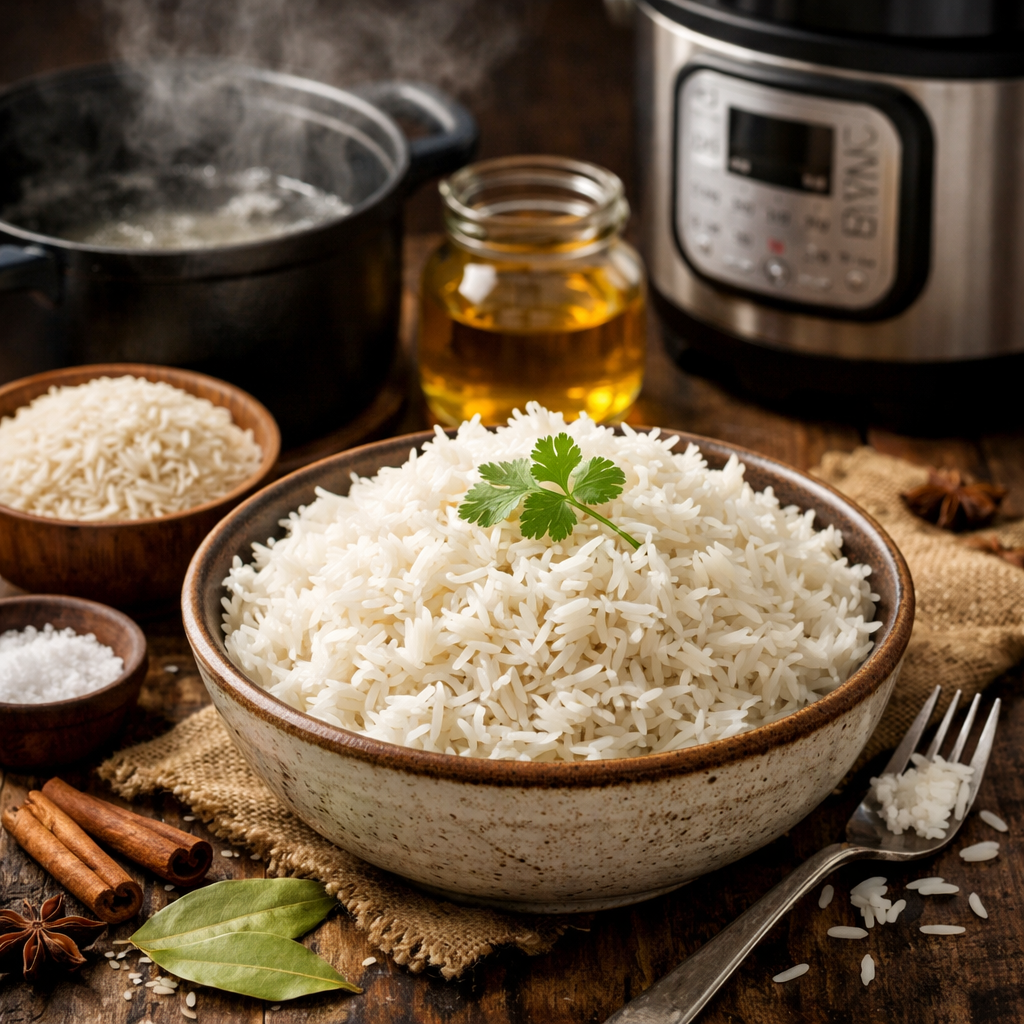
Basmati rice is one of the most famous rice varieties within the international, mainly in South Asian, Middle Eastern, and Middle Eastern cuisines. Known for its long grains, sensitive aroma, and fluffy texture, basmati rice can elevate even the simplest meal. However, many people conflict with commonplace issues along with sticky rice, broken grains, or rice that turns tender or undercooked.
If you’ve ever puzzled the way to prepare dinner basmati rice perfectly, this targeted manual will walk you through the entirety you want to recognise—from deciding on the right rice to washing, soaking, cooking methods, and professional recommendations. Whether you’re a beginner or an skilled domestic cook dinner, this text will help you achieve eating place-exceptional basmati rice every single time.
What Is Basmati Rice?
Basmati rice is an extended-grain aromatic rice historically grown in the Indian subcontinent, mainly India and Pakistan. The word “basmati” comes from Sanskrit, which means “fragrant,” which perfectly describes its signature aroma.
Key Characteristics of Basmati Rice
Extra-lengthy grains that elongate further whilst cooked
Light, fluffy texture whilst organized efficaciously
Pleasant nutty aroma
Less starchy in comparison to normal white rice.
Because of these traits, basmati rice is generally served with curries, biryani, pulao, grilled meats, and vegetable dishes.
Why Proper Cooking Matters for Basmati Rice
Cooking basmati rice is not pretty much boiling water and adding rice. Proper technique ensures:
Grains live separate, no longer sticky
Rice cooks lightly
Natural aroma is preserved
Texture remains light and fluffy
Incorrect cooking can break the specific characteristics of basmati rice, making it soggy or bland.
Ingredients Needed to Cook Basmati Rice
To prepare dinner simple basmati rice, you simplest need some simple components:
1 cup basmati rice
1½ to two cups water (depending on technique)
½ teaspoon salt (elective)
1 teaspoon oil or butter (optional)
Step 1: Choosing High-Quality Basmati Rice
The first step in gaining knowledge of the way to prepare dinner basmati rice is choosing desirable-pleasant rice. Look for:
Long, uniform grains
Minimal broken portions
A herbal perfume even before cooking
Aged basmati rice is taken into consideration superior as it cooks higher and has a more potent aroma.
Step 2: Washing Basmati Rice Properly
Washing basmati rice is essential to take away extra starch that causes stickiness.
How to Wash Basmati Rice
Place rice in a bowl
Add cold water
Gently swirl the rice together with your palms
Drain the cloudy water
Repeat 3–4 times till water runs frequently clear
Skipping this step is one of the maximum commonplace errors whilst cooking basmati rice.
Step 3: Soaking Basmati Rice (Optional however Recommended)
Soaking basmati rice enables the grains soak up water flippantly and prolong in the course of cooking.
Soaking Time
20 to 30 minutes for excellent outcomes
Benefits of soaking:
Prevents grain breakage
Improves texture
Reduces cooking time
After soaking, drain the water absolutely before cooking.
Method 1: How to Cook Basmati Rice on the Stove (Absorption Method)
This is the most popular and newbie-pleasant method.
Ingredients
1 cup washed (and soaked) basmati rice
1½ cups water
Salt and oil (elective)
Step-by way of-Step Instructions
Add water to a pot and convey it to a boil
Add salt and oil if the use of
Add drained basmati rice
Stir as soon as and reduce warmness to low
Cover the pot with a good lid
Cook for 12–15 mins
Turn off warmth and let it rest for 5 mins
Fluff gently with a fork
The result is mild, fluffy, and flawlessly cooked basmati rice.
Method 2: How to Cook Basmati Rice Using the Boiling Method
This technique is similar to cooking pasta and is regularly used for biryani.
Steps
Boil 5–6 cups of water in a big pot
Add salt
Add washed basmati rice
Cook uncovered for 7–10 mins
Check grain doneness (gentle but no longer soft)
Drain extra water the usage of a strainer
Let rice steam for a couple of minutes
This approach helps keep grains separate but calls for cautious timing.
Method 3: How to Cook Basmati Rice in a Rice Cooker
A rice cooker gives comfort and constant consequences.
Instructions
Add 1 cup washed basmati rice to the cooker
Add 1½ cups water
Add salt or oil if preferred
Close the lid and begin the cooker
Once finished, permit rice rest for 5 minutes
Fluff and serve
Rice cookers are ideal for busy families.
Method 4: How to Cook Basmati Rice in an Instant Pot
Instant Pots are increasingly famous for cooking rice fast.
Steps
Add 1 cup rinsed basmati rice
Add 1¼ cups water
Seal the lid and set to “Pressure Cook” for six mins
Allow natural pressure launch for 10 minutes
Fluff lightly
This technique produces steady results with minimum effort.
Common Mistakes to Avoid When Cooking Basmati Rice
Avoid those errors to ensure perfect rice:
Not washing the rice
Using an excessive amount of water
Stirring too frequently throughout cooking
Cooking on high heat during
Skipping resting time after cooking
Small mistakes can substantially affect texture and flavor.
Tips for Perfect Fluffy Basmati Rice
Always degree rice and water correctly
Use a fork, no longer a spoon, to fluff rice
Let rice rest after cooking
Avoid lifting the lid throughout cooking
Use a heavy-bottom pot for even warmness
How to Store and Reheat Cooked Basmati Rice
Storage
Cool rice absolutely
Store in an airtight box
Refrigerate for up to a few days
Reheating
Sprinkle water over rice
Cover and microwave
Or reheat on stove with a little steam
Never reheat rice more than one instances for food protection.
Health Benefits of Basmati Rice
Basmati rice offers several nutritional blessings:
Low to medium glycemic index
Gluten-unfastened
Easy to digest
Provides energy
Contains crucial carbohydrates
Brown basmati rice is even richer in fiber.
Frequently Asked Questions (FAQs)
How a lot water is wanted to cook dinner basmati rice?
Typically, 1 cup rice to 1½ cups water works first-class using the absorption method.
Why does my basmati rice turn sticky?
Sticky rice normally consequences from excess starch or an excessive amount of water.
Can basmati rice be cooked without soaking?
Yes, but soaking improves texture and grain length.
Is basmati rice healthier than regular rice?
Yes, basmati rice has a lower glycemic index compared to many other white rice varieties.
Conclusion
Learning how to cook basmati rice properly is a treasured kitchen talent that could transform your food. With the right rice choice, right washing, accurate water ratio, and appropriate cooking method, you can reap perfectly fluffy, fragrant basmati rice whenever.
Whether you choose cooking at the stove, the usage of a rice cooker, or an Instant Pot, the techniques shared on this manual will assist you avoid not unusual mistakes and grasp basmati rice with self belief. Follow those steps, follow the pointers, and revel in eating place-great rice at domestic.
Basmati rice is one of the most famous rice varieties within the international, mainly in South Asian, Middle Eastern, and Middle Eastern cuisines. Known for its long grains, sensitive aroma, and fluffy texture, basmati rice can elevate even the simplest meal. However, many people conflict with commonplace issues along with sticky rice, broken grains, or rice that turns tender or undercooked.
If you’ve ever puzzled the way to prepare dinner basmati rice perfectly, this targeted manual will walk you through the entirety you want to recognise—from deciding on the right rice to washing, soaking, cooking methods, and professional recommendations. Whether you’re a beginner or an skilled domestic cook dinner, this text will help you achieve eating place-exceptional basmati rice every single time.
What Is Basmati Rice?
Basmati rice is an extended-grain aromatic rice historically grown in the Indian subcontinent, mainly India and Pakistan. The word “basmati” comes from Sanskrit, which means “fragrant,” which perfectly describes its signature aroma.
Key Characteristics of Basmati Rice
Extra-lengthy grains that elongate further whilst cooked
Light, fluffy texture whilst organized efficaciously
Pleasant nutty aroma
Less starchy in comparison to normal white rice.
Because of these traits, basmati rice is generally served with curries, biryani, pulao, grilled meats, and vegetable dishes.
Why Proper Cooking Matters for Basmati Rice
Cooking basmati rice is not pretty much boiling water and adding rice. Proper technique ensures:
Grains live separate, no longer sticky
Rice cooks lightly
Natural aroma is preserved
Texture remains light and fluffy
Incorrect cooking can break the specific characteristics of basmati rice, making it soggy or bland.
Ingredients Needed to Cook Basmati Rice
To prepare dinner simple basmati rice, you simplest need some simple components:
1 cup basmati rice
1½ to two cups water (depending on technique)
½ teaspoon salt (elective)
1 teaspoon oil or butter (optional)
Step 1: Choosing High-Quality Basmati Rice
The first step in gaining knowledge of the way to prepare dinner basmati rice is choosing desirable-pleasant rice. Look for:
Long, uniform grains
Minimal broken portions
A herbal perfume even before cooking
Aged basmati rice is taken into consideration superior as it cooks higher and has a more potent aroma.
Step 2: Washing Basmati Rice Properly
Washing basmati rice is essential to take away extra starch that causes stickiness.
How to Wash Basmati Rice
Place rice in a bowl
Add cold water
Gently swirl the rice together with your palms
Drain the cloudy water
Repeat 3–4 times till water runs frequently clear
Skipping this step is one of the maximum commonplace errors whilst cooking basmati rice.
Step 3: Soaking Basmati Rice (Optional however Recommended)
Soaking basmati rice enables the grains soak up water flippantly and prolong in the course of cooking.
Soaking Time
20 to 30 minutes for excellent outcomes
Benefits of soaking:
Prevents grain breakage
Improves texture
Reduces cooking time
After soaking, drain the water absolutely before cooking.
Method 1: How to Cook Basmati Rice on the Stove (Absorption Method)
This is the most popular and newbie-pleasant method.
Ingredients
1 cup washed (and soaked) basmati rice
1½ cups water
Salt and oil (elective)
Step-by way of-Step Instructions
Add water to a pot and convey it to a boil
Add salt and oil if the use of
Add drained basmati rice
Stir as soon as and reduce warmness to low
Cover the pot with a good lid
Cook for 12–15 mins
Turn off warmth and let it rest for 5 mins
Fluff gently with a fork
The result is mild, fluffy, and flawlessly cooked basmati rice.
Method 2: How to Cook Basmati Rice Using the Boiling Method
This technique is similar to cooking pasta and is regularly used for biryani.
Steps
Boil 5–6 cups of water in a big pot
Add salt
Add washed basmati rice
Cook uncovered for 7–10 mins
Check grain doneness (gentle but no longer soft)
Drain extra water the usage of a strainer
Let rice steam for a couple of minutes
This approach helps keep grains separate but calls for cautious timing.
Method 3: How to Cook Basmati Rice in a Rice Cooker
A rice cooker gives comfort and constant consequences.
Instructions
Add 1 cup washed basmati rice to the cooker
Add 1½ cups water
Add salt or oil if preferred
Close the lid and begin the cooker
Once finished, permit rice rest for 5 minutes
Fluff and serve
Rice cookers are ideal for busy families.
Method 4: How to Cook Basmati Rice in an Instant Pot
Instant Pots are increasingly famous for cooking rice fast.
Steps
Add 1 cup rinsed basmati rice
Add 1¼ cups water
Seal the lid and set to “Pressure Cook” for six mins
Allow natural pressure launch for 10 minutes
Fluff lightly
This technique produces steady results with minimum effort.
Common Mistakes to Avoid When Cooking Basmati Rice
Avoid those errors to ensure perfect rice:
Not washing the rice
Using an excessive amount of water
Stirring too frequently throughout cooking
Cooking on high heat during
Skipping resting time after cooking
Small mistakes can substantially affect texture and flavor.
Tips for Perfect Fluffy Basmati Rice
Always degree rice and water correctly
Use a fork, no longer a spoon, to fluff rice
Let rice rest after cooking
Avoid lifting the lid throughout cooking
Use a heavy-bottom pot for even warmness
How to Store and Reheat Cooked Basmati Rice
Storage
Cool rice absolutely
Store in an airtight box
Refrigerate for up to a few days
Reheating
Sprinkle water over rice
Cover and microwave
Or reheat on stove with a little steam
Never reheat rice more than one instances for food protection.
Health Benefits of Basmati Rice
Basmati rice offers several nutritional blessings:
Low to medium glycemic index
Gluten-unfastened
Easy to digest
Provides energy
Contains crucial carbohydrates
Brown basmati rice is even richer in fiber.
Frequently Asked Questions (FAQs)
How a lot water is wanted to cook dinner basmati rice?
Typically, 1 cup rice to 1½ cups water works first-class using the absorption method.
Why does my basmati rice turn sticky?
Sticky rice normally consequences from excess starch or an excessive amount of water.
Can basmati rice be cooked without soaking?
Yes, but soaking improves texture and grain length.
Is basmati rice healthier than regular rice?
Yes, basmati rice has a lower glycemic index compared to many other white rice varieties.
Conclusion
Learning how to cook basmati rice properly is a treasured kitchen talent that could transform your food. With the right rice choice, right washing, accurate water ratio, and appropriate cooking method, you can reap perfectly fluffy, fragrant basmati rice whenever.
Whether you choose cooking at the stove, the usage of a rice cooker, or an Instant Pot, the techniques shared on this manual will assist you avoid not unusual mistakes and grasp basmati rice with self belief. Follow those steps, follow the pointers, and revel in eating place-great rice at domestic.