Italian food is loved around the world for its comforting flavours, fresh ingredients and incredible variety. From creamy risotto and fragrant tomato sauces to pizza, pasta and indulgent desserts, Italian cuisine offers something for almost everyone. For people following a gluten-free diet, however, enjoying Italian food can require a little more planning.
The good news is that going gluten-free does not mean giving up the flavours and traditions of Italian cooking. In fact, many classic Italian dishes are naturally gluten-free, while an increasing number of restaurants and food producers in the UK are offering gluten-free alternatives.
Whether you are eating at home, visiting an Italian restaurant or looking for new dishes to try, this guide to gluten free Italian food will help you discover delicious options and make informed choices.
What Does Gluten Free Italian Food Mean?
The phrase gluten free Italian refers to Italian-inspired dishes and recipes prepared without ingredients containing gluten. Gluten is a protein found primarily in wheat, barley and rye, which means traditional pasta, pizza bases and some sauces may not be suitable for people avoiding gluten.
However, Italian cuisine is much broader than pasta and pizza. Ingredients such as tomatoes, vegetables, meat, fish, seafood, rice, potatoes, olive oil, herbs and many cheeses are naturally gluten-free.
The key is understanding which ingredients contain gluten and how dishes are prepared. A simple grilled fish dish with vegetables can be naturally gluten-free, while a seemingly safe sauce could contain flour as a thickener.
For people with coeliac disease, avoiding gluten is especially important, and restaurant meals require careful attention to preparation and possible cross-contamination.
Why Italian Cuisine Can Work Well for a Gluten-Free Diet
Italian cooking traditionally focuses on relatively simple ingredients rather than relying heavily on processed foods. This makes it possible to create many naturally gluten-free meals.
Rice is an important ingredient in dishes such as risotto, while polenta is traditionally made from cornmeal. Fresh meat, seafood and vegetables can also form the basis of satisfying Italian meals.
Even when a traditional recipe contains wheat, there are often alternatives. Gluten-free pasta made from ingredients such as corn, rice or legumes can replace wheat pasta. Gluten-free flour blends can also be used to create pizza bases and other baked goods.
This versatility makes gluten free Italian cooking an appealing option for UK diners who want to enjoy familiar Italian flavours while avoiding gluten.
Gluten-Free Italian Pasta Options
Pasta is one of the first foods people associate with Italy, but traditional wheat pasta contains gluten. Fortunately, gluten-free pasta has become much easier to find across the UK.
Supermarkets and specialist food shops commonly stock gluten-free varieties made from rice, corn, quinoa, chickpeas or other ingredients. These alternatives can be served with many of the same sauces used in traditional Italian cooking.
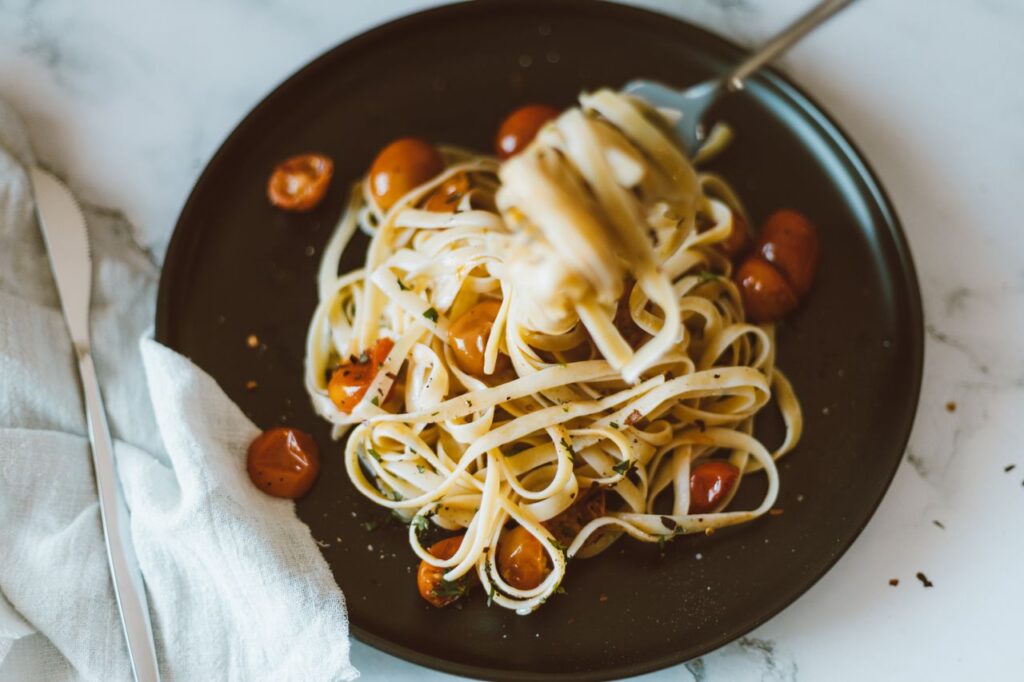
Tomato-based sauces, garlic and olive oil, pesto and many vegetable sauces can work beautifully with gluten-free pasta. Classic combinations such as tomato and basil or roasted vegetables can create a simple but satisfying meal.
When buying ready-made sauces, always check the ingredients and allergen information. Some packaged sauces may contain unexpected ingredients or may have been produced in facilities handling gluten-containing products.
At restaurants, ask whether the gluten-free pasta is cooked separately from ordinary pasta. This is particularly important for people with coeliac disease.
Enjoying Gluten-Free Italian Pizza
Pizza may seem difficult to enjoy without gluten, but gluten-free pizza bases have become increasingly popular in the UK.
A gluten-free pizza base can be made using specialist flour blends, rice flour, corn flour or other gluten-free ingredients. The toppings themselves are often naturally gluten-free, including tomato sauce, mozzarella, mushrooms, peppers, olives, onions and many types of meat and seafood.
When ordering pizza, it is worth asking how the gluten-free base is prepared. A restaurant may have a gluten-free recipe but still use the same preparation surfaces, utensils or ovens for gluten-containing pizzas.
For people with coeliac disease, cross-contamination can be just as important as the ingredients themselves. A restaurant that understands gluten-free requirements should be able to explain its preparation procedures clearly.
At home, making your own gluten free Italian pizza can also be an enjoyable way to experiment with different toppings and flavours.
Risotto: A Naturally Gluten-Free Italian Favourite
Risotto is one of the best-known Italian dishes that can naturally fit into a gluten-free diet. Made primarily with rice, stock and other flavourful ingredients, risotto can be adapted in countless ways.
Popular versions include mushroom risotto, seafood risotto, tomato risotto and asparagus risotto. Parmesan cheese, fresh herbs and olive oil can add additional flavour without requiring gluten-containing ingredients.
However, diners should not automatically assume that every restaurant risotto is gluten-free. Stocks, seasonings and other additions may contain gluten, so it is sensible to ask the restaurant about the ingredients.
A well-prepared risotto can be creamy, filling and deeply satisfying, making it an excellent choice for anyone exploring gluten free Italian cuisine beyond pasta and pizza.
Naturally Gluten-Free Italian Ingredients
One of the easiest ways to enjoy Italian food while avoiding gluten is to focus on naturally gluten-free ingredients.
Fresh tomatoes, courgettes, aubergines, peppers, mushrooms and leafy vegetables can be used in salads, sauces and side dishes. Fresh meat, poultry, fish and seafood can also be suitable when prepared without gluten-containing coatings or sauces.
Italian cuisine also makes extensive use of olive oil, garlic, basil, oregano, rosemary and other herbs. These ingredients bring plenty of flavour without needing complicated sauces.
Cheese can also feature in many Italian dishes. Mozzarella, Parmesan and mascarpone are commonly used, although packaged products should still be checked when there is a strict requirement to avoid gluten.
By building meals around fresh ingredients, it is possible to create delicious gluten free Italian dishes without feeling that anything is missing.
Gluten-Free Italian Dining in the UK
Eating out can be one of the most enjoyable ways to discover Italian food in the UK. Many Italian restaurants now recognise the growing demand for gluten-free options.
Before visiting a restaurant, check its menu online where possible. Look for dishes specifically identified as gluten-free or suitable for people with dietary requirements.
When ordering, clearly explain that you need a gluten-free meal. If you have coeliac disease, make this clear rather than simply saying that you prefer to avoid gluten. The restaurant may then be able to explain its procedures for preventing cross-contamination.
It is also useful to ask specific questions. For example, you could ask whether gluten-free pasta is cooked in separate water or whether gluten-free pizza is prepared separately from ordinary pizza.
Good communication can make the dining experience more comfortable while helping you find the best gluten free Italian choices available.
Traditional Italian Dishes to Look For
There are plenty of Italian dishes that can be adapted for a gluten-free diet. Risotto is an obvious choice, while grilled meat or fish with vegetables can provide a simple and satisfying meal.
Caprese salad, traditionally made with tomatoes, mozzarella, basil and olive oil, is another naturally gluten-free option when prepared with suitable ingredients.
Polenta can also be used in place of bread or pasta in certain meals. Made from cornmeal, it can be served creamy, grilled or alongside meat and vegetables.
Some soups may also be suitable, although bread, pasta or flour can sometimes be added. Always check the ingredients when eating out.
For dessert, options vary considerably. Some traditional Italian desserts contain wheat flour, while others may be based on dairy, chocolate, fruit or other ingredients. Always check before ordering, particularly when dining at a restaurant.
Tips for Making Gluten-Free Italian Food at Home
Creating gluten free Italian food at home gives you complete control over the ingredients and preparation process.
Start with a well-stocked gluten-free cupboard. Gluten-free pasta, suitable flour, tinned tomatoes, olive oil, herbs and spices can provide the foundations for numerous meals.
Keep an eye on sauces, stocks and processed ingredients, as these can sometimes contain gluten. Reading labels carefully is particularly important when buying unfamiliar products.
If someone in your household has coeliac disease, preventing cross-contamination is also essential. Use clean utensils, chopping boards and cooking surfaces, and avoid allowing gluten-containing crumbs or ingredients to come into contact with gluten-free food.
You can then experiment with simple recipes such as tomato and basil pasta, mushroom risotto, vegetable polenta or homemade gluten-free pizza.
The beauty of Italian cooking is that you do not necessarily need complicated recipes. Quality ingredients, careful preparation and a few traditional flavours can create an impressive meal.
Making Gluten Free Italian Food Enjoyable
Following a gluten-free diet should not mean constantly thinking about what you cannot eat. Instead, focus on the wide range of ingredients and dishes that you can enjoy.
Italian cooking is particularly suitable for this approach because it offers so many combinations of vegetables, herbs, olive oil, cheese, rice, meat and seafood.
Try exploring regional Italian flavours rather than focusing exclusively on pasta and pizza. Different parts of Italy have their own ingredients, cooking methods and specialities, giving you plenty of opportunities to discover new dishes.
For UK diners, the growing availability of gluten-free products and restaurant options also makes it easier than ever to enjoy Italian-inspired meals.
Whether you are preparing dinner at home, planning a meal with friends or choosing a restaurant, gluten free Italian food can be every bit as enjoyable, varied and comforting as traditional Italian cuisine.
Conclusion
Gluten free Italian food offers UK diners an excellent way to enjoy the much-loved flavours of Italy while avoiding gluten. Although traditional pasta, pizza and some baked foods contain wheat, there are plenty of alternatives and naturally gluten-free dishes to explore.
From risotto and polenta to fresh salads, grilled seafood, vegetables and gluten-free pasta and pizza, the possibilities are extensive. The most important step when dining out is to communicate your dietary requirements clearly and ask about ingredients and cross-contamination.
At home, choosing fresh ingredients and certified or clearly labelled gluten-free products can make Italian cooking straightforward and enjoyable.
With a little knowledge and creativity, gluten-free diners can enjoy everything from a comforting bowl of pasta to a delicious pizza night while still experiencing the character and flavour of Italian cuisine.
FAQs
1. What is gluten free Italian food?
Gluten free Italian food is Italian-style cuisine prepared without gluten-containing ingredients such as wheat, barley and rye. It can include gluten-free pasta and pizza as well as naturally gluten-free dishes such as risotto, polenta, salads, meat, seafood and vegetables.
2. Is Italian pasta gluten-free?
Traditional Italian pasta is generally made from wheat and therefore contains gluten. However, gluten-free pasta made from ingredients such as rice, corn or legumes is widely available. Always check the packaging or ask the restaurant about the ingredients.
3. Can people with coeliac disease eat gluten-free Italian food?
People with coeliac disease need to avoid gluten strictly. Gluten-free Italian dishes may be suitable, but preparation and cross-contamination are important considerations. When eating out, explain that you have coeliac disease and ask how the food is prepared.
4. Is risotto gluten-free?
Risotto is traditionally made with rice, which is naturally gluten-free. However, some stocks, seasonings or additional ingredients can contain gluten. Check the ingredients or ask the restaurant before eating risotto.
5. Where can I find gluten free Italian food in the UK?
Gluten-free Italian options can be found at some Italian restaurants, supermarkets, specialist food shops and online retailers across the UK. Restaurant menus often indicate gluten-free choices, but it is always best to confirm ingredients and preparation methods directly with the restaurant.
Also read: 7 Irresistible Asparagus and Chicken Pie Recipes for a Comforting Family Feast