When wintry weather arrives, there’s not anything greater frustrating than turning for your heating device only to find that some radiators live bloodless whilst others warmth typically. This common difficulty frequently happens because air will become trapped within the radiator, stopping hot water from circulating properly. Fortunately, learning how to bleed a radiator is easy, safe, and might dramatically enhance your private home’s heating efficiency.
In this comprehensive guide, you’ll study what radiator bleeding method, why it’s necessary, symptoms your radiator wishes bleeding, and a clear step-by means of-step procedure you could comply with even if you’ve in no way done it earlier than.
What Does “Bleeding a Radiator” Mean?
Bleeding a radiator way releasing trapped air from within the heating gadget. In valuable heating structures, warm water flows thru pipes and radiators to warm your private home. Over time, air bubbles input the system and rise to the pinnacle of radiators.
Since air blocks water flow, components of the radiator stay cold. Bleeding removes this air so warm water can circulate freely once more.
Think of it like getting rid of air from a water bottle — once the air escapes, the water flows easily.
Why Is It Important to Bleed a Radiator?
Many homeowners forget about choppy heating, assuming it’s a larger trouble. However, trapped air is often the principle purpose.
Here’s why radiator bleeding matters:
1. Improves Heating Efficiency
Air wallet reduce warmness output. After bleeding, radiators warmness calmly and rooms warm faster.
2. Saves Energy Bills
Your boiler works more difficult when radiators don’t warmth nicely. Removing trapped air reduces electricity consumption and lowers heating costs.
3. Extends Boiler Life
Efficient movement reduces pressure at the heating machine, supporting save you high priced maintenance.
4. Eliminates Strange Noises
Gurgling or banging sounds usually indicate air inside the radiator system.
Signs Your Radiator Needs Bleeding
Before learning the way to bleed a radiator, take a look at for these not unusual warning symptoms:
Radiator warm at bottom but cold at top
Some rooms less warm than others
Gurgling or effervescent noises
Heating takes longer than standard
Increased heating payments
Boiler going for walks continuously
If you note any of those, bleeding the radiator is probably the answer.
Tools You Need Before Starting
The accurate news is that bleeding a radiator requires very simple tools:
Radiator bleed key (or flathead screwdriver for a few fashions)
Cloth or towel
Small bowl or field
Gloves (optionally available however encouraged)
Radiator keys are less expensive and to be had at hardware shops or on line.
Safety Tips Before Bleeding a Radiator
Safety ought to always come first whilst running with heating structures.
✔ Turn off your heating device
✔ Allow radiators to chill completely
✔ Avoid touching warm metallic surfaces
✔ Keep towels equipped to seize water drips
Never bleed a radiator even as the heating is jogging — warm water can purpose burns.
Step-through-Step Guide: How to Bleed a Radiator
Step 1: Turn Off the Heating
Switch off your primary heating and wait approximately 20–half-hour. This allows water and air to settle appropriately inside the radiator.
Step 2: Locate the Bleed Valve
The bleed valve is usually determined on the top nook of the radiator. It looks like a small square screw or valve beginning.
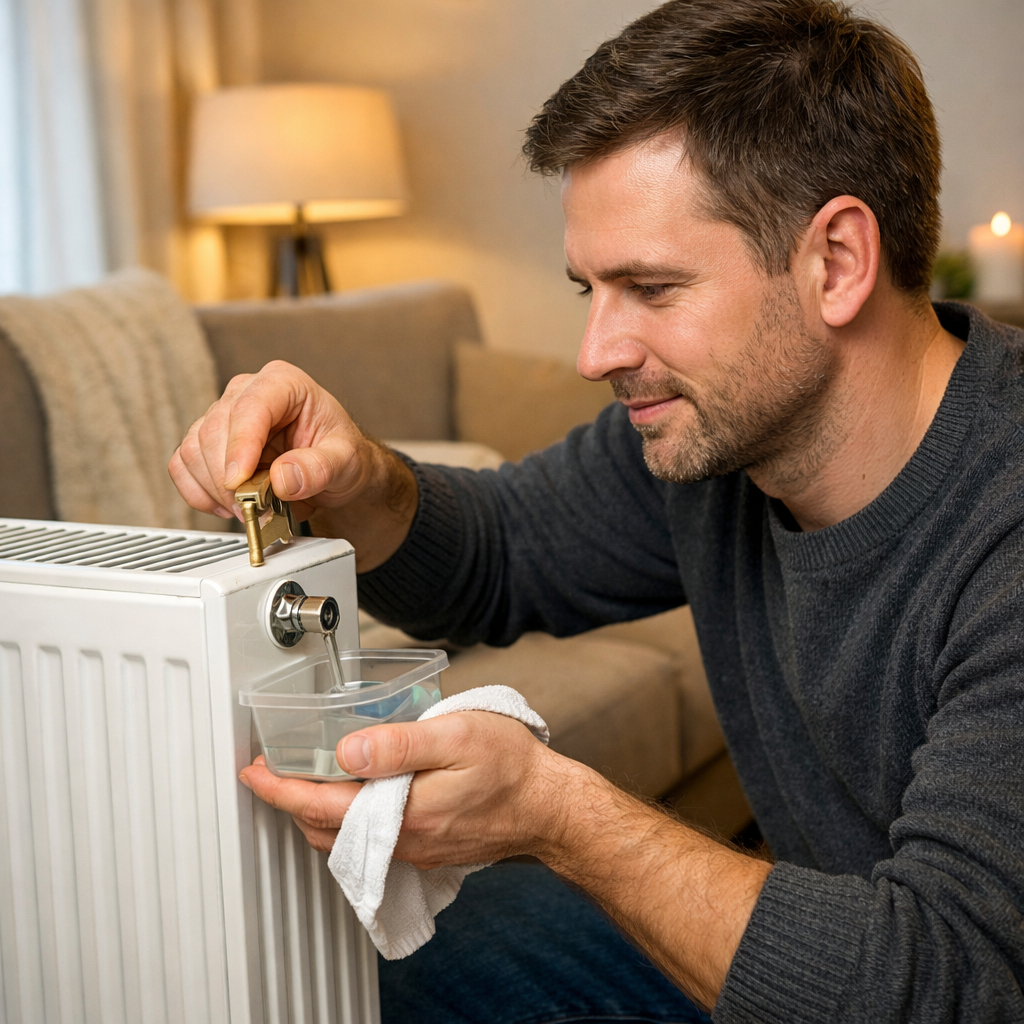
Place your towel and container below to capture water.
Step 3: Insert the Radiator Key
Insert the radiator bleed key into the valve cautiously.
Turn the important thing anti-clockwise slowly — best about 1 / 4 turn.
You have to pay attention a hissing sound. This is trapped air escaping.
Step 4: Release the Air
Allow the air to escape completely.
You’ll be aware:
First: air hissing out
Then: small splutters
Finally: consistent water drift
Once water begins flowing smoothly without air bubbles, the radiator is completely bled.
Step 5: Close the Valve
Turn the important thing clockwise to shut the valve tightly — however do no longer overtighten.
Wipe away any water right now to save you rust or stains.
Step 6: Repeat for Other Radiators
If one radiator contains air, others possibly do as well.
Start with radiators downstairs and pass upstairs because air obviously rises in heating structures.
Step 7: Check Boiler Pressure
After bleeding multiple radiators, check your boiler strain gauge.
Typical pressure must be:
1.0 to at least one.Five bar (when cold)
If strain drops too low, you could want to replenish the system the use of the boiler filling loop.
Step 8: Turn Heating Back On
Switch your heating system back on and take a look at all radiators.
You must now note:
Even heating
Faster warm-up times
No atypical noises
How Often Should You Bleed a Radiator?
Experts suggest bleeding radiators:
Once a yr earlier than iciness
Whenever heating feels uneven
After boiler maintenance or device upkeep
Regular renovation continues your heating system operating efficaciously all season
Common Mistakes to Avoid
Many house owners make small mistakes while getting to know how to bleed a radiator.
Avoid those mistakes:
❌ Bleeding While Heating Is On
Hot water may additionally spray out dangerously.
❌ Opening Valve Too Much
Only a small turn is needed.
❌ Forgetting Boiler Pressure Check
Low stress can prevent heating completely.
❌ Ignoring Persistent Air Problems
Frequent air buildup might also indicate gadget leaks or pump problems.
Why Does Air Get Into Radiators?
Understanding the purpose allows prevent future problems.
Common motives encompass:
System refilling or renovation
Tiny leaks allowing air access
Old pipework corrosion
Pump circulate troubles
Hydrogen gas buildup from metallic reactions
If air returns frequently, seek advice from a heating engineer.
Benefits of Proper Radiator Maintenance
Bleeding radiators is simply one part of domestic heating care. Regular upkeep gives essential benefits:
Consistent indoor comfort
Reduced heating fees
Improved power performance
Longer gadget lifespan
Lower repair fees
A couple of minutes of maintenance can keep masses in power bills over the years.
When You Should Call a Professional
While bleeding a radiator is a DIY task, expert assist can be wished if:
Radiator remains cold after bleeding
No air or water comes out
Boiler pressure continuously drops
Leaks appear around valves
Heating gadget shuts down frequently
These symptoms should sign deeper mechanical troubles.
Pro Tips From Heating Experts
Here are some expert recommendations many house owners don’t know:
✔ Bleed radiators annually before wintry weather starts
✔ Keep a radiator key near your boiler
✔ Check stress after each bleed
✔ Balance radiators for optimum efficiency
✔ Install computerized air vents in present day systems
Small conduct make a large distinction in heating performance.
Frequently Asked Questions
Is bleeding a radiator dangerous?
No, as long as the heating is became off and the radiator has cooled.
How long does it take?
Usually 2–five mins per radiator.
Should water pop out when bleeding?
Yes. Water shows that trapped air has fully escaped.
Why is my radiator nonetheless cold after bleeding?
It may additionally need balancing or expert inspection.
Final Thoughts
Learning how to bleed a radiator is one of the simplest and only domestic protection capabilities each owner of a house need to recognise. Trapped air reduces heating performance, increases strength bills, and makes your home uncomfortable during chillier months.
By following the easy steps outlined on this guide — turning off heating, releasing trapped air, checking boiler stress, and maintaining your machine often — you could restore full heating overall performance with out calling a expert.
Regular radiator bleeding continues your private home hotter, your heating machine more healthy, and your power expenses lower. With just a radiator key and a few minutes of effort, you could make sure your home stays comfy all iciness lengthy.